
Window Wurx Industry Co., Ltd. — China's Trusted Aluminum Windows & Doors Manufacturer Since 1993

  • English
  • Español
  • Français
  • Deutsch
  • Italiano
  • Português
  • Nederlands
  • Русский
  • العربية
  • 中文
0%

Choosing an Aluminium Sliding Window is rarely just a matter of frame color or glass size. For global buyers, performance depends on climate, building use, opening width, and installation conditions. A coastal home may need better corrosion protection, while a high-rise project may require stronger wind resistance and secure hardware. In colder regions, thermal breaks and insulated glazing can improve indoor comfort. Small details matter. Track design affects cleaning, drainage, and how smoothly the sash moves over time.

This guide introduces ten common types, from standard two-panel systems to lift-and-slide, corner, and multi-track designs. Each offers different benefits in opening area, ventilation, access, and visual impact. The best option depends on the project, not simply on the product name. Terminology can also vary between manufacturers and markets, so buyers should compare drawings, specifications, and test information rather than rely on labels alone. A wide opening may look impressive, but it can also demand careful structural support and precise installation. That trade-off is easy to overlook.

Use the types below as a practical starting point. Check frame and glass specifications, hardware quality, drainage details, and available service support before making a decision. No design is ideal everywhere. Even a well-specified window can disappoint if measurements or installation are rushed. These comparisons can help buyers ask clearer questions and shortlist systems suited to their buildings and local conditions.
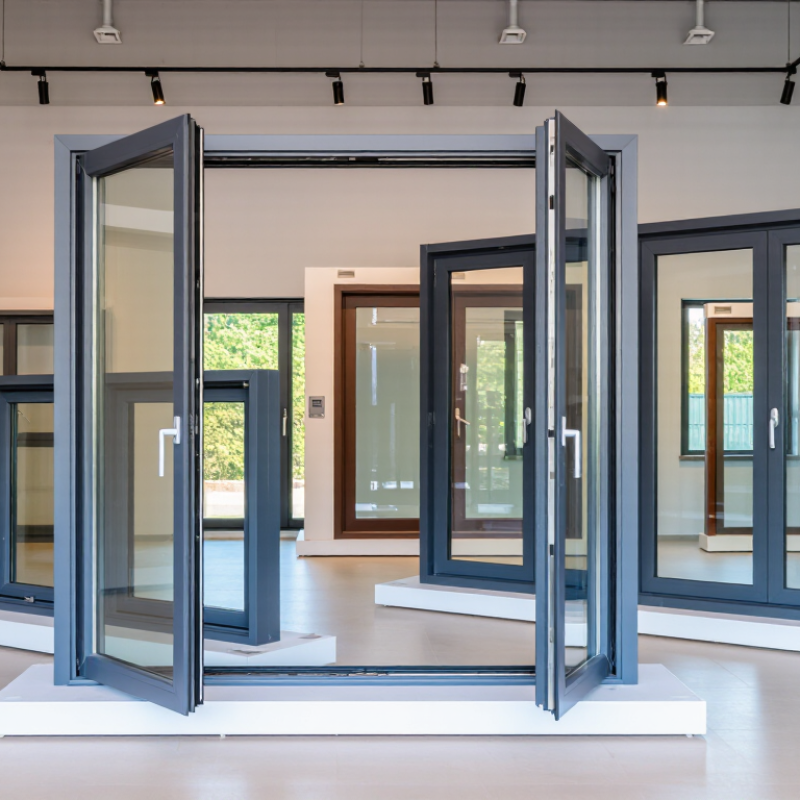
Top 10 Types of Aluminium Sliding Windows for Global Buyers

Core Design and Operating Principles of Aluminium Sliding Windows

An aluminium sliding window moves horizontally because its sash rides on rollers inside a fixed frame. The lower track carries much of the sash’s weight, while the upper track helps keep it aligned. A pull on the handle transfers force through the sash, not directly to the glass. Smooth travel depends on roller quality, sash weight, and accurate frame installation. Even a small tilt can make the window drag.

When closed, the meeting stiles overlap or interlock to reduce gaps. Brush seals and weather strips limit drafts, but they do not make every sliding window completely airtight. Drainage slots in the sill guide rainwater outward; blocked slots can leave water sitting in the track. That detail is easy to miss. The track should be checked during routine cleaning, especially after dusty weather.

Sliding windows need no outward swing space, which can suit balconies or narrow rooms. But only part of the opening may be available for ventilation, depending on the layout. Larger glass panels also add weight, so the frame, rollers, and fixings must be selected as a system. A window that feels smooth in a showroom may behave differently after installation. That difference deserves attention.

How Aluminium Sliding Window Types Are Classified

How Aluminium Sliding Window Types Are Classified

Aluminium sliding windows are best classified by panel count, sash movement, and track layout. A basic two-panel unit pairs one fixed sash with one moving sash. Three-panel designs may place a slider between fixed lights, while four-panel systems can open from the centre. That distinction matters. Buyers may also encounter corner, pocket, and multi-track arrangements, where panels slide past one another or disappear into a wall recess.

Operation provides another category. Standard sliders roll on track-mounted rollers; lift-slide systems raise the sash slightly before moving it. Some designs allow both sashes to slide, while others keep one panel fixed. Classification is not always neat: a lift-slide window can also be a multi-panel window. For a real project, check the drawing, not just the product label.

Performance is a separate layer: frame depth, glazing, seals, drainage, and hardware affect comfort and operation. The U.S. Department of Energy’s Energy Saver guidance estimates that windows account for about 25%–30% of residential heating and cooling energy use. This figure covers windows overall, not sliding units alone. Global buyers should also confirm sill height, screen provision, water drainage direction, and tested air leakage. These details are easy to overlook, yet a poorly matched track can collect grit or resist movement.

Ten Common Types of Aluminium Sliding Windows

Aluminium sliding windows are commonly grouped by panel count, track layout, and how the opening is arranged. These labels can overlap. That matters. A two-panel window usually has one moving sash and one fixed sash, while a three-panel design may allow one or two panels to slide. Four-panel units suit wider openings, but the frame and hardware must support the added weight.

Track layouts offer different access and ventilation options. A two-track window keeps the panels in two parallel channels; a three-track version lets more panels move independently. Multi-track designs can create a broader clear opening. Fixed-and-sliding windows pair a stationary glazed panel with a movable one, helping balance daylight and ventilation. Center-opening windows have panels that slide away from the middle. Pocket windows slide into a wall cavity, though they need careful planning around the wall construction.

Corner sliding windows meet at a building corner and can open up two adjoining views, but their structure needs close attention. Lift-and-slide windows raise the sash slightly before moving, which can help with heavier glazing. In practice, check the opening size, drainage path, track height, and locking points before choosing a type. A low track looks neat, yet poor drainage can cause trouble. Even a good layout may feel awkward if furniture blocks the moving sash.

Comparing Configurations, Glazing, and Performance

Aluminium sliding windows vary in panel count, track layout, and opening style. A two-panel unit usually offers one moving sash and one fixed sash, while three-track systems can create a wider clear opening. Lift-slide hardware helps move heavier glass panels, but it adds cost and needs careful adjustment. Small details matter. Track depth, drainage slots, and brush seals affect how smoothly a window runs and how well it resists wind-driven rain.

Glazing changes both comfort and weight. Double glazing with a low-emissivity coating can reduce heat transfer; laminated inner glass may help limit injury if it breaks. Triple glazing can improve insulation, though the added weight may require stronger rollers and frames. Ask suppliers for tested air, water, and wind-resistance results for a unit close to your intended size. A rating from a small sample may not predict performance in a much larger opening. Thermal breaks in the aluminium frame can reduce heat flow, but installation still matters: gaps around the frame can undermine good glass. It is easy to focus on headline insulation figures and overlook how the window will be cleaned, drained, and maintained. That trade-off deserves another look.

Top 10 Types of Aluminium Sliding Windows for Global Buyers - Comparing Configurations, Glazing, and Performance

Typical centre-of-glass thermal transmittance (Ug) for glazing packages commonly specified in aluminium sliding windows. Lower values indicate less heat transfer through the glass.

Values are approximate benchmarks in W/m²·K, not certified ratings for complete windows. Actual whole-window performance depends on the frame, spacer, glass make-up, dimensions, and installation; the same glazing package can be used with different sliding configurations.

How Global Buyers Can Select the Right Type

Global buyers should choose an aluminium sliding window by climate, opening width, and maintenance needs—not appearance alone. The International Energy Agency’s 2023 Global Status Report for Buildings and Construction estimates that buildings account for about 30% of global final energy use. This is not a window-performance figure, but it shows why glazing, frames, and installation deserve attention. Compare whole-window U-factor, solar heat gain coefficient, air leakage, and water resistance. Use tested values for the exact configuration you plan to buy.

Match the sliding type to the room. A two-panel unit can suit a bedroom, while a three-track system may provide a wider opening. It also needs more space and careful drainage. In sunny climates, lower solar heat gain can help limit overheating; in colder regions, prioritize a low U-factor and tight seals. Coastal projects need suitable finishes and hardware. Check panel weight, track access, screen fit, and local availability of replacement rollers. A large panel may look excellent but feel awkward if grit builds up in its track.

Tips: Request test reports for the actual frame-and-glass combination, and ask about installation, warranty coverage, and spare parts. Compare ratings only when they use equivalent test methods. Brochures rarely show everyday maintenance conditions, so inspect a sample track and slide the sash yourself.

Top 10 Types of Aluminium Sliding Windows for Global Buyers — How Global Buyers Can Select the Right Type
Type Typical Configuration Suitable Applications Key Advantages What Buyers Should Check
1. Two-Panel, Two-Track Sliding Window One sash slides horizontally past one fixed sash on two tracks. Apartments, bedrooms, living rooms, and standard-size openings. Simple operation, widely available configurations, and straightforward maintenance. Confirm the opening direction, clear opening width, track drainage, weather seals, and local ventilation requirements.
2. Three-Panel, Three-Track Sliding Window Three sashes run on separate tracks; one or more panels can slide independently. Wide residential openings and rooms where a larger opening is useful. Can provide a larger open area than a basic two-panel arrangement, depending on the system design. Check which panels are operable, the resulting clear opening, frame depth, and whether insect screens can be fitted.
3. Four-Panel, Multi-Track Sliding Window Four panels are arranged across multiple tracks, with fixed and sliding combinations depending on the design. Large façades, broad living-room openings, and projects seeking a balanced panel layout. Accommodates wider openings and offers flexibility in panel arrangement. Ask for project-specific structural and wind-load checks; verify panel weights, track capacity, and maintenance access.
4. Fixed-and-Sliding Combination Window One or more fixed glazed sections are combined with an operable sliding sash. Rooms needing daylight and views across a wide area but ventilation through only part of the window. Combines non-opening glazing with an operable section and can suit openings that are too wide for a single sliding sash. Confirm the position and size of the operable section, glass specification, and access for cleaning fixed panes.
5. Lift-and-Slide Window System A handle lifts the sash slightly off its seals so it can roll along the track; lowering the handle re-engages the seals. Large, heavy glazed openings where smooth movement and enhanced closing pressure are priorities. Designed to move heavy panels with reduced operating effort when properly specified and installed. Check maximum sash size and weight, hardware rating, threshold detail, locking points, and the tested air- and water-resistance performance.
6. Tilt-and-Slide Window System The sash tilts inward for ventilation and can slide horizontally when released from the tilt position. Projects requiring both controlled ventilation and a sliding opening, subject to the selected system. Offers two operating modes in one sash and can allow ventilation without fully sliding the panel open. Verify operating clearances, hardware compatibility, child-safety provisions, and whether the system is certified for the intended use.
7. Pocket Sliding Window The sliding sash travels into a pocket within or beside the wall when opened. Architectural designs seeking a largely unobstructed opening when the sash is open. Can reduce the visible presence of the open sash and make the opening feel more continuous. Coordinate the pocket with wall construction, waterproofing, insulation, insect screens, and future access for hardware maintenance.
8. Corner Sliding Window Sliding units meet at a building corner; some designs use a removable or minimal corner post. Corner views, modern residential spaces, and designs connecting indoor and outdoor areas. Can open up views around a corner and reduce the visual interruption at the meeting point. Require engineering review of corner support, structural loads, weather sealing, drainage, and installation tolerances.
9. Thermally Broken Aluminium Sliding Window Aluminium frame sections are separated by a low-conductivity thermal barrier between the interior and exterior metal. Heated or air-conditioned buildings, and locations where reducing frame heat transfer is important. Generally reduces heat transfer through the frame compared with a non-thermally broken aluminium frame. Compare whole-window thermal performance, not frame claims alone; check glazing, spacer, seals, and local energy-code requirements.
10. Slim-Frame Sliding Window A sliding system designed with narrow visible frame sections; available in different track and panel layouts. Projects prioritizing a larger glazed appearance and less visible framing. Can increase the apparent glass area and provide a minimalist look. Confirm that the selected frame still meets project requirements for structural loads, glass thickness, safety glazing, air leakage, and water penetration.

FAQS

How are aluminium sliding windows classified?

They are grouped by panel count, sash movement, and track layout. These categories can overlap.

What is a typical two-panel sliding window?

It usually has one fixed sash and one moving sash. Check which panel opens before ordering.

What changes in a three-panel design?

It may have one or two moving panels. The exact arrangement depends on the design.

How do two-track and three-track windows differ?

Two-track windows use two parallel channels. Three-track layouts can let more panels move independently.

What is a lift-and-slide window?

Its sash lifts slightly before sliding, which can help move heavier glazing. The hardware still needs to suit the sash weight.

What should buyers check on a pocket window?

The panels slide into a wall cavity. Check the wall construction and available space first.

Can a corner sliding window open two adjoining views?

Yes, it can meet at a building corner. That corner needs careful structural planning.

Which details affect comfort and everyday use?

Glazing, seals, drainage, and hardware all matter. Check the sill height, water direction, and locking points.

Can a low track cause problems?

It can collect grit or resist movement if drainage is poor. A neat-looking track is not always practical.

Is a product label enough to choose a window?

Not always. Check the drawing, opening size, and furniture layout; a moving sash can feel awkward behind a sofa.

Conclusion

Aluminium Sliding Window systems combine durable frames with horizontally moving sashes, making them a practical choice where space-saving operation and broad views are priorities. Their design and performance depend on factors such as frame construction, track arrangement, opening direction, sash count, glazing, and sealing. These features provide a useful way to classify the many configurations available, from simple two-panel designs to multi-panel and corner arrangements.

This overview introduces ten common types and compares how their layouts, glass options, ventilation potential, ease of use, and thermal and acoustic performance can differ. For global buyers, the right choice depends on the project’s climate, building design, required opening area, maintenance needs, and performance goals. Understanding these considerations helps buyers compare options confidently and select a window configuration suited to the intended space.

Clara

Clara

Clara is a dedicated marketing professional with a strong understanding of the company’s products, customers, and industry landscape. Through her work, she combines strategic thinking, market insight, and clear communication to help readers better understand the value of practical, reliable, and......