
Window Wurx Industry Co., Ltd. — China's Trusted Aluminum Windows & Doors Manufacturer Since 1993
Aluminium Windows Prices can vary sharply, even when two quotes appear to describe similar windows. Frame dimensions, glazing, opening style, hardware, finish, and installation all affect the final figure. A lower price may reflect a simpler specification, not better value. Look closely.
The comparison is rarely as simple as matching totals. One supplier might include removal of old frames, delivery, and making good; another may list these as extras. Ask for an itemised quote, then check the same details across each offer. It takes a little patience. But it can prevent an unexpected bill later.
This guide shares seven practical tips for comparing Aluminium Windows Prices with clearer expectations. You’ll learn which specifications to confirm, how to assess warranties, and what to ask about fitting and aftercare. Pay attention to measurements, glass type, thermal performance, and any stated exclusions. If a quote is vague, request clarification in writing rather than relying on a quick verbal assurance. Prices also depend on location, project access, and supplier availability, so published examples may not match your home. No single quote tells the whole story. Compare like for like, and weigh the service and specification alongside the total. One detail is easy to miss: the cheapest option may still suit a particular project, but only when its limits are understood.
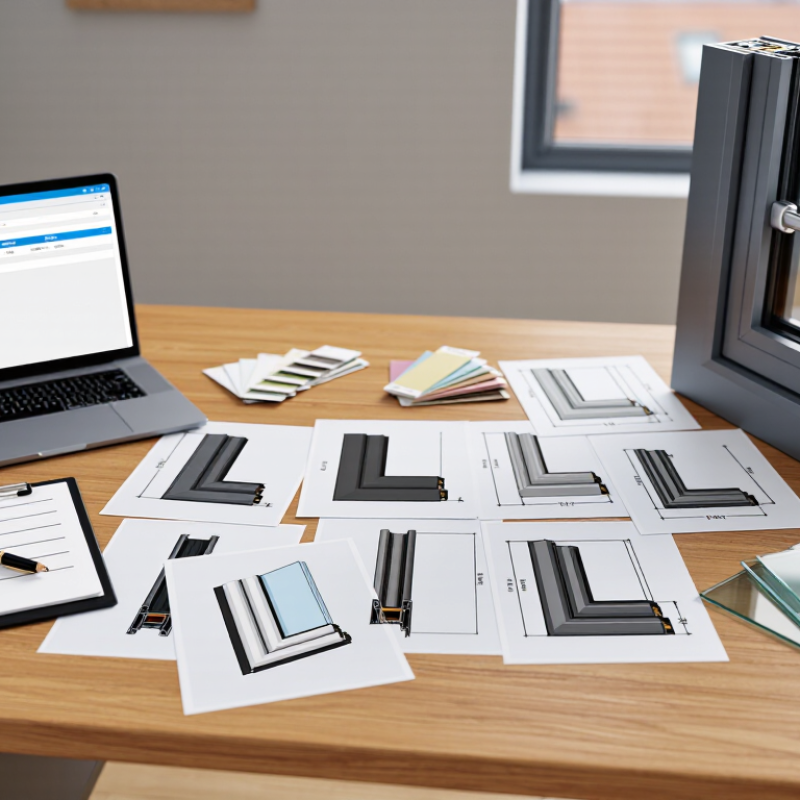
Before comparing aluminium window prices, define what each opening must do. A kitchen window above a sink may need an easy-to-clean tilt function, while a bedroom facing a busy road may benefit from suitable acoustic glazing. Note the room, opening direction, approximate dimensions, and exposure to wind or direct sun. Small details matter.
Measure the existing frame, but treat your measurements as a starting point. A professional site check can reveal uneven openings or concealed repair work that changes the quote. It is easy to overlook this. Also decide whether you need insect screens, child-safety restrictors, privacy glass, or a particular frame colour. These choices affect both cost and lead time.
When you request prices, give each supplier the same written requirements. Ask whether the quote includes glazing, hardware, removal of old windows, installation, and interior finishing. Check warranty coverage and ask what performance figures refer to; energy results depend on the full window specification and local conditions. The lowest figure may exclude essential work. Even a careful list can miss something, so leave room to revise your assumptions after the site survey.
When comparing aluminium window prices, check the alloy, frame construction, and glass specification—not just the quoted price per window. Architectural frames commonly use 6063 aluminium, while 6061 is often selected where greater strength is required. Ask for the alloy and wall thickness in writing; “premium aluminium” alone is not a useful specification. A lower-cost frame may have thinner sections, which can affect stiffness and the size of practical openings.
Frame design changes both comfort and cost. A thermal break separates the interior and exterior aluminium with an insulating barrier, reducing direct heat transfer. Compare the break’s dimensions, frame depth, opening style, and drainage details. Sliding frames can save interior space, while hinged designs may seal differently; actual performance depends on fabrication and installation. Small detail. Request the tested whole-window U-factor, not only a centre-of-glass figure.
Glass can significantly influence the final price. Double glazing with a low-emissivity coating may improve insulation, while laminated glass adds a bonded safety layer and can help reduce noise. The U.S. Department of Energy’s Energy Saver guidance estimates that heat gain and loss through windows account for 25–30% of residential heating and cooling energy use. Compare NFRC-rated U-factor and solar heat gain coefficient for the complete window. One caveat: ratings do not capture every installation detail, so compare like-sized units and confirm the glass build-up, spacer, and warranty in each quote.
A low aluminium window price means little until you know what it covers. Check that each quote lists the same number of windows, opening styles, and measurements. Ask whether the stated price includes the frame profile, glazing type, handles, locks, and finish. A basic double-glazed unit and a higher-performance option are not directly comparable. Small details matter.
Installation can change the total considerably. Confirm whether the quote includes removing old windows, disposal, fitting, sealing, and interior or exterior trim. Ask who handles repairs to surrounding plaster or reveals if removal causes damage. Delivery charges, access equipment, and any required site visits should also be clearly stated. “By others” needs clarification.
Look for a written breakdown of taxes, warranty coverage, and estimated lead time. Check whether the warranty applies to both the frames and the installation, and note any care conditions. If an item is excluded, ask for its likely cost before comparing totals. I still find vague wording easy to overlook; a tidy headline figure can distract from missing work. A clear quote lets you compare like with like, even when the higher price initially seems harder to justify.
| Tip | What to compare in each quote | Why it matters | Check for |
|---|---|---|---|
| 1. Match the window specifications | Frame dimensions, opening style, number of windows, and any fixed or opening sections. | Quotes are only meaningfully comparable when they cover the same sizes and configuration. | A written schedule listing each window’s size and style. |
| 2. Check the glass specification | Single or insulating glass units, glass thickness, safety-glass requirements, and any stated thermal or solar-control performance. | Glass type and performance can affect comfort, safety, and the overall price. | The actual glass build-up and performance details—not simply “double glazing.” |
| 3. Compare frame and finish details | Frame profile, thermal-break specification where applicable, colour, finish, and whether different finishes are priced separately. | Frame construction and finish options can differ between otherwise similar-looking products. | The quoted colour, finish, and profile confirmed in writing. |
| 4. Confirm hardware and security items | Handles, hinges, locks, restrictors, and any specified security features. | Hardware affects operation and may be included, optional, or charged separately. | A clear list of included hardware and any optional upgrades. |
| 5. Separate supply, installation, and removal costs | Whether the price covers measuring, delivery, installation, removal of existing windows, disposal, and finishing around the openings. | A product-only quote may appear cheaper than a fully installed price. | Which work is included, excluded, or subject to an additional charge. |
| 6. Review taxes, extras, and payment terms | Applicable taxes, delivery or access charges, potential site-work costs, deposit requirements, and payment milestones. | The headline figure may not represent the final amount payable. | A written total, tax treatment, payment schedule, and explanation of possible extra costs. |
| 7. Compare lead times, warranty, and after-sales terms | Estimated production and installation timing, warranty coverage, exclusions, and the process for reporting defects or requesting service. | A low price may come with different delivery expectations or warranty conditions. | Written warranty terms and an estimated schedule; ask whether dates are estimates or confirmed commitments. |
Comparison note: Request itemised quotes based on the same window schedule, glass specification, finish, and installation scope before comparing totals.
A low aluminium-window quote may exclude essential items, so compare the same specifications across suppliers. Check frame depth, glass type, finish, hardware, and the number of windows included. Ask for a written breakdown covering delivery, removal of old frames, and any interior trim. Small details matter. A supplier who answers clearly and explains what is excluded is easier to assess than one offering only a headline price. Request recent project references or photos, especially for installations similar to your home. Then check that the quoted products match those examples.
Read warranty terms before paying a deposit. Confirm what the coverage includes, how long it lasts, and whether glass, hardware, finishes, and labour have separate terms. Ask how to report a problem and who arranges repairs. Vague wording deserves a follow-up. Installation quality affects how windows seal and operate, so ask who will measure and fit them, and whether the same team handles both. Have the installer explain how they will protect floors, seal the frame, and test each sash after fitting. I might be tempted by the cheapest offer, but a short warranty or unclear installation plan can make that saving less convincing. Get dates, payment stages, and responsibility for making good any disturbed surfaces in writing.
Compare the details behind each quote—not just the total price. The chart shows how many specific checks to make in each area.
How to use this chart: The values count the checks in this comparison framework; they are not market prices or supplier ratings. Compare frame specifications, glazing, hardware, supplier credentials, warranty terms, installation scope, and after-sales support across written quotes.
7 Best Tips to Compare Aluminium Windows Prices
A low quote can look attractive, but compare what each price actually includes. Check frame dimensions, glass type, hardware, delivery, and installation separately. Thermal breaks reduce heat transfer through aluminium frames, while double glazing can help limit heat loss. Ask for the stated window specifications, not just a total. Small differences matter. A cheaper unit may have less effective glazing or exclude fitting, which changes the real cost.
Tip: Compare estimated energy use alongside purchase prices. Request the same measurements and glass specifications in each quote. If possible, review expected heating and cooling needs for your climate, while remembering that actual bills also depend on insulation, window orientation, and household habits.
Maintenance affects the long-term budget too. Aluminium generally needs no repainting, but frames still benefit from occasional cleaning with mild soap and water. Check seals, drainage channels, and moving parts; blocked tracks or worn seals can lead to drafts or difficult operation. Ask whether replacement hardware and seal servicing are available, and what routine care the installer recommends. Not always easy to predict. A detailed comparison may take longer, and energy savings are estimates, not guarantees. Still, writing down the assumptions behind each quote makes the decision more reliable.
Many architectural frames use 6063 aluminium. For greater strength, some designs use 6061. Ask for the alloy and wall thickness in writing.
Thinner sections may reduce stiffness and limit practical opening sizes. Compare frame depth and dimensions, not just the quoted price.
It places an insulating barrier between the frame’s interior and exterior aluminium. This helps reduce heat transfer through the frame.
Check the glazing layers, low-emissivity coating, spacer, and warranty. Double glazing can improve insulation; laminated glass adds a bonded layer and may reduce noise. Small details matter.
Not necessarily. Sliding frames can save indoor space, while hinged designs may seal differently. Performance depends on fabrication and installation.
Request the whole-window U-factor and solar heat gain coefficient. Centre-of-glass figures alone do not describe the complete window. Compare similar-sized units.
Use the same measurements and glass specifications. Separate frame, hardware, delivery, and installation costs. A low total may exclude fitting.
No. Energy estimates depend on climate, insulation, orientation, and household habits. The figures can look precise, but they are not promises.
Clean frames occasionally with mild soap and water. Check seals, drainage channels, and moving parts; blocked tracks can make a window harder to operate. I would still ask about replacement parts.
Comparing Aluminium Windows Prices starts with understanding your needs, including window sizes, styles, opening mechanisms, and performance expectations. Once you know what you require, compare aluminium grades, frame designs, finishes, and glass options, since each choice can affect both the quoted price and the window’s suitability for your home.
Look closely at what each quote includes, such as measurements, delivery, hardware, installation, and any additional fees. Consider the supplier’s experience, warranty terms, and installation services rather than choosing based on the lowest upfront cost alone. Finally, weigh long-term expenses, including energy use, upkeep, and expected durability. A careful comparison of these factors can help you identify a solution that fits your budget while providing lasting comfort and value.