
Aluminium Bifold Doors can open a living space to a patio, but the right choice depends on more than appearance. A slim frame in a brochure may look different beside a narrow room, and an uneven threshold can affect how panels move. Begin with accurate measurements of the opening. Then consider panel configuration, track type, glazing, insulation, locks, finish, and installation. Small details matter. Think of rain near a low sill, or a handle catching a curtain. These everyday issues can shape how comfortable the doors are to use.
This guide explores ten practical tips, from checking available space to comparing warranties and installer experience. It also looks at details worth confirming in product specifications, such as glazing options, hardware, and stated performance figures. Ask suppliers how the panels stack, whether the track suits your floor, and what maintenance the finish needs. A wider opening may bring in more daylight, but it can also mean more panels, joints, and cleaning. There is no single best configuration for every home. Even careful planning can miss a detail, so reviewing measurements with a qualified installer is sensible. Compare written specifications rather than relying on showroom impressions alone. The aim is not simply to choose attractive doors, but to find a system that fits the building and works reliably in daily use.
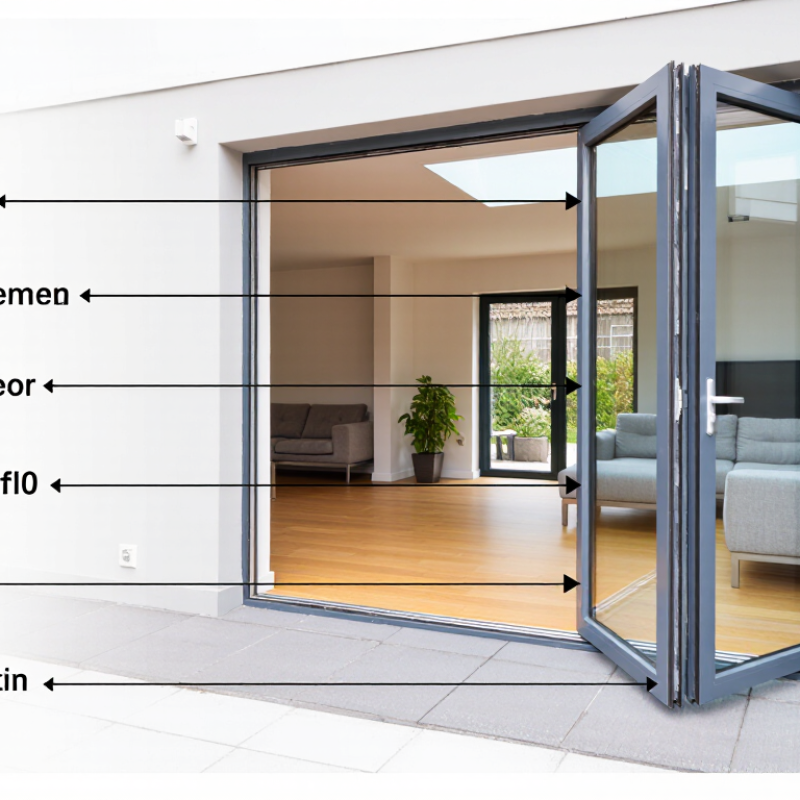
Before choosing aluminium bifold doors, map the opening and decide how the panels should stack. Two- to seven-panel systems are common, but available layouts depend on the opening and the door design. Measure the width and height at several points; older walls are not always square. Note the sill level, nearby corners, and any handles or furniture that could obstruct the moving panels. Small details matter.
Tip: Mark the opening on the floor with masking tape. This makes the folded stack and clear walking space easier to picture. Decide which side the panels should gather on, and whether a traffic door would be useful for everyday access. Check that the proposed panel widths suit the opening and the system’s technical guidance; more panels do not automatically mean a better view or easier operation.
A drawing is helpful, but it can still hide a tight corner or uneven threshold. Recheck measurements before ordering, and confirm the finished structural opening with the installer. Ask how much clear opening remains when the doors are fully folded, since frames and stacked panels take up space. If the layout feels cramped on paper, pause and reconsider it. That extra check may prevent an expensive fit problem.
Aluminium conducts heat quickly, at roughly 160–200 W/(m·K). A thermal break separates the inner and outer frame sections. It helps slow heat transfer. Small detail. Big difference.
Ask for the tested U-value of the whole door, not only the frame. Glass, seals, frame design, and installation all affect heat loss. Check that the test covers your planned door size and glazing.
It can. On a frosty morning, a poorly insulated frame may feel cold, especially if indoor air is humid. Good fitting matters too. A low U-value alone does not tell the whole story.
It indicates strong air-tightness performance under the standard’s test conditions. Ask to see the test report and check which door configuration was tested. A rating may not cover every size.
Class 9A is the highest standard classification and is tested at 600 Pa. Check the tested panels, seals, frame, and threshold. Not always transferable. Confirm the proposed dimensions are covered.
A low threshold can make the transition easier, but water performance needs careful attention. Ask how the threshold will drain. Blocked drainage or poor fitting can undermine a strong test result.
Request evidence for the exact door size, glazing, and configuration. A rating for a smaller unit may not apply. Ask whether the frame and installation details match the test conditions.
Check whether independent certification covers the complete door set, including locks, hinges, and glazing. Ask about cycle testing, corrosion resistance, and replacement parts. Try the rollers under load. Handle weight alone can mislead.
Choosing Aluminium Bifold Doors begins with understanding the opening and how you want the panels to stack. Measure the available width and height carefully, then consider whether a two- to seven-panel configuration will provide the access and sightlines you need. Compare whole-door U-values, measured in W/m²K, with the energy-efficiency requirements for your location; a lower value generally indicates better insulation. Because aluminium conducts heat at around 160–200 W/(m·K), effective thermal breaks are important for limiting heat transfer through the frame.
Look beyond appearance when comparing performance. Check for EN 12207 Class 4 air-tightness and EN 12208 Class 9A water-resistance ratings, and make sure the system’s wind-load performance suits the conditions at your property. Also assess the threshold design for access and weather protection, along with security certification and the durability of hinges, rollers, handles, and locking hardware. Considering these details together can help you choose a door system that operates smoothly and performs reliably over time.