
Precision-fabricated aluminum clad windows, thermal break patio doors, and curtain walls tailored for high-end residential and commercial projects.
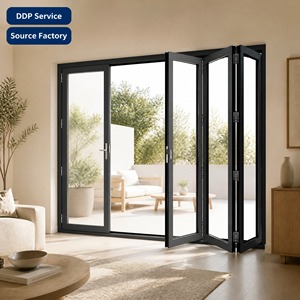
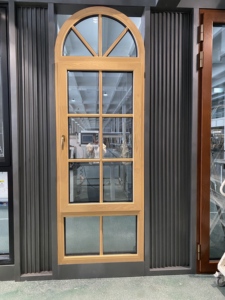
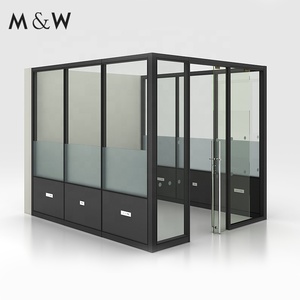
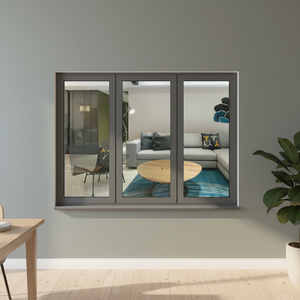
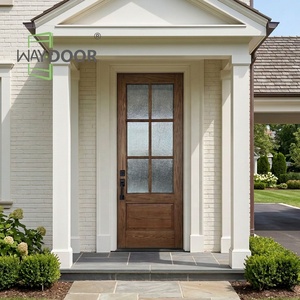
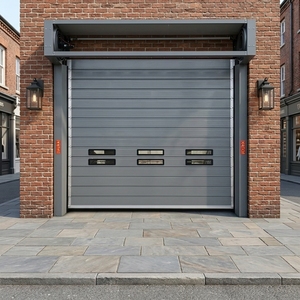
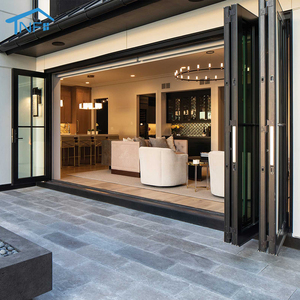
In modern sustainable architecture, the building envelope dictates up to 40% of total operational energy efficiency. As global building codes tighten around carbon intensity, thermal insulation performance ($U$-factor), and lifecycle durability, selecting a qualified China best aluminium coated windows exporter has transitioned from a standard procurement routine into a strategic engineering decision.
Aluminum coated (often categorized as exterior aluminum-clad timber or fluorocarbon PVDF powder-coated extrusion) windows represent the pinnacle of architectural fenestration. By pairing structural structural aluminum alloys—specifically 6063-T5 and 6063-T6 grade extrusions—with advanced chemical coating technologies, Chinese manufacturers produce systems that resist chalking, UV degradation, salt-spray corrosion, and thermal distortion across extreme climatic zones.
Information Gain Insight: Modern high-performance aluminium coated windows manufactured in Foshan utilize fluorocarbon (PVDF) 3-coat/3-bake surface treatments achieving AAMA 2605 compliance, alongside Polyamide PA66GF25 thermal breaks that drive system U-values down to ≤ 1.1 W/m²K.
Operating from Dali Town, Foshan City—the epicenter of China's aluminum extrusion industry—Window Wurx Industry Co., Ltd. has led international export operations since 1993. Spanning a 20,000-square-meter modern facility equipped with 3 automated fabrication lines and over 150 skilled technicians, the enterprise bridges the gap between raw extrusion technology and bespoke architectural fenestration.
Engineered profiles undergo strict finite element analysis (FEA) to verify wind-load performance up to structural ratings exceeding 4500 Pa, perfect for cyclone-prone coastal zones.
Fully certified under Australian standard AS2047, European CE norms, and North American NFRC guidelines, complete with verified laboratory test reports for physical glazing audits.
Zero-defect arrival guaranteed via individual plastic wrapping, edge guards, shock-absorbing cellular foam, and fumigation-free solid wood export crates engineered for ocean transport.
A primary point of differentiation when auditing premier aluminium coated windows exporters is the chemical treatment applied to the aluminum substrate. Surface preparation and coating chemistries directly govern resistance to color fading, chalking, and ambient corrosion.
| Coating Technology | Chemical Base | Salt Spray Resistance | UV Degradation Rating | Ideal Application Scenario |
|---|---|---|---|---|
| PVDF (Fluorocarbon 3-Coat) | 70% Kynar 500 / Hylar 5000 Resin | > 4,000 Hours (AAMA 2605) | Exceptional (Delta E < 5 over 20 Years) | Coastal Villas, High-Rise Commercial Curtain Walls |
| Super Durable Powder Coating | Triglycidyl Isocyanurate (TGIC) Polyester | 2,000 – 3,000 Hours (AAMA 2604) | High (Color retention 10-15 Years) | Standard Residential Subdivisions, Urban Hotels |
| Architectural Anodizing | Electrolytic Aluminum Oxide Layer | 3,000 Hours (Class I 0.7 mil thickness) | Maximum (Immune to organic UV fading) | Modern Industrial Architecture, High-Traffic Commercial Doors |
| Woodgrain Heat Transfer | Polyurethane Finish + Vacuum Sublimation Film | 1,500 – 2,500 Hours (AAMA 2603/2604) | Moderate to High (Protective Clear Topcoat) | Luxury Heritage Renovations, Rustic Villa Interiors |
The international window and door export landscape is rapidly shifting toward decarbonized manufacturing, hyper-thermal efficiency, and smart building integration. Global buyers sourcing from China must realign their procurement standards to incorporate the following emerging developments:
Leading exporters are transitioning to post-consumer recycled aluminum billets extruded via hydro-electric energy sources. Utilizing low-carbon aluminum cuts the embodied carbon of fenestration frames by up to 70%, enabling developers to earn high LEED and BREEAM sustainability credits.
Architectural demand has converged on concealed frame profiles with visible sightlines under 20mm. Achieving structural rigidity with such narrow profiles demands high-tensile 6063-T6 alloy frames paired with structural glass bonding adhesives to sustain massive multi-meter pane weights.
Aluminium coated frames are increasingly pre-wired at the factory level to house dynamic electrochromic glass (switchable tinting via smartphone or BMS) or Building Integrated Photovoltaic (BIPV) double glazing units that generate solar electricity directly from the building facade.
To satisfy indoor air quality (IAQ) demands without opening main sash panels, modern export systems feature concealed motorized trickling air vents fitted with HEPA and pollen filtration, powered by low-voltage internal actuators.
Working with a premier exporter ensures complete visibility from initial CAD shop drawing verification down to final container loading. The engineering lifecycle follows a rigorously audited 5-stage quality gate system:
BIM and CAD elevation drawings generated to establish exact rough opening tolerances, mullion reinforcements, drainage pathways, and glazing pocket depths.
CNC 5-axis profile machining ensures corner miters are cut within 0.1mm tolerances. Extrusions undergo automated electrostatic coating application and high-temp curing.
Insulated Glass Units (IGUs) are built with warm-edge spacers, filled with 90%+ pure Argon gas, and sealed with secondary structural silicone to eliminate seal failure risks.
Detailed technical answers to common questions asked by international project managers, architects, and window importers.
Consult with our structural engineering team today to review your architectural drawings, receive factory-direct pricing, and obtain free physical profile samples.
Contact Us