
Tested and engineered to comply with AS2047, CE, NFRC, and ASTM structural and energy efficiency standards.
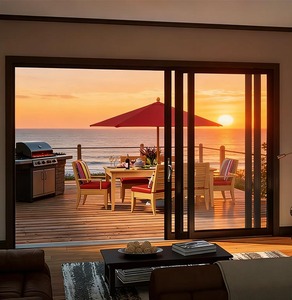
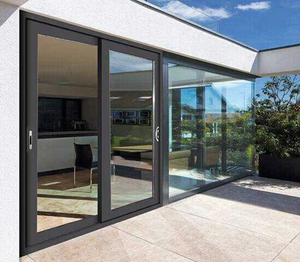
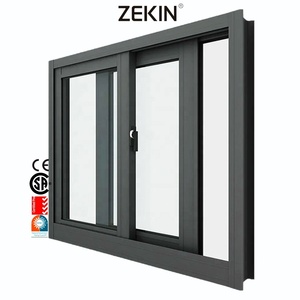
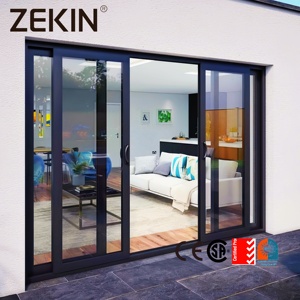
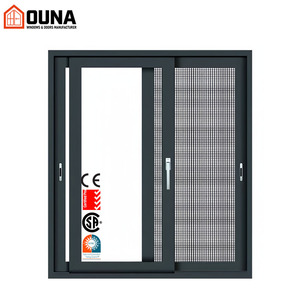
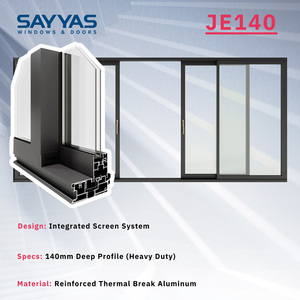
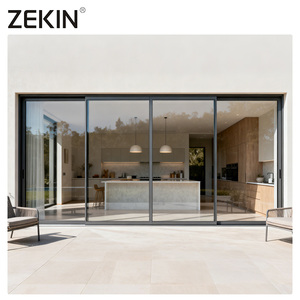
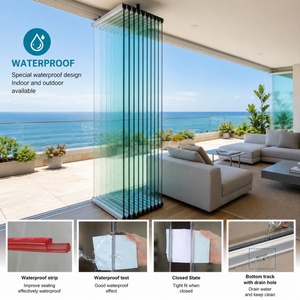
A comprehensive examination of supply chain integration, raw material alloy standards, and precision fabrication infrastructure.
Premier China sliding window factories utilize virgin 6063-T5 or T6 primary aluminum extrusions featuring tensile strengths exceeding 205 MPa. Unlike secondary recycled scrap, primary extrusions resist structural fatigue, oxidation, and micro-cracking under heavy wind loads.
To eliminate metallic heat conduction, leading fabricators integrate 25% glass fiber reinforced polyamide (PA66-GF25) thermal barrier strips. This structural break reduces overall window U-factors down to 1.2 – 1.6 W/m²K, providing superior climate regulation for energy-efficient architecture.
Automated double-head cutting saws and 45-degree hydraulic corner crimping machines ensure joint tolerances within 0.05mm. Injected with two-component structural corner adhesives, frames maintain permanent air and water tightness under extreme thermal expansion cycles.
Comparing high-end Chinese fabrication standards with global architectural benchmarks.
| Performance Criterion | Standard Commercial Grade | Window Wurx High-Performance System | Testing & Compliance Standards |
|---|---|---|---|
| Frame Material & Temper | Recycled / Secondary Alloy | 6063-T5 / T6 Primary Extrusion | GB/T 5237 / ASTM B221 |
| Thermal Barrier Strip | PVC / Low-grade Nylon | PA66-GF25 Polyamide (Technoform) | EN 14024 / ISO 18868 |
| Structural Wind Load | 1500 Pa – 2500 Pa | Up to 4500 Pa – 5000 Pa (Hurricane Grade) | AS2047 / ASTM E330 |
| Air Infiltration Rating | 1.5 L/s·m² | ≤ 0.3 L/s·m² (Class 4 / AS4420.2) | AS2047 / EN 12207 |
| Water Penetration Resistance | 300 Pa | 600 Pa – 900 Pa Static & Dynamic | AS4420.5 / ASTM E331 |
| Acoustic Insulation (STC/Rw) | 28 dB – 32 dB | 38 dB – 45 dB (Soundproof Double Glazing) | ISO 717-1 / ASTM E413 |
| Surface Coating Warranty | 3 - 5 Years Standard Powder | 15 - 25 Years AkzoNobel / PPG PVDF | AAMA 2604 / AAMA 2605 |
Key technological shifts shaping global window manufacturing, material selection, and sustainable construction practices.
Modern luxury architecture demands maximum daylight and panoramic glass facades. Sourcing is rapidly transitioning toward concealed frame sliding doors with interlock sightlines as narrow as 18mm. These systems employ heavy-duty stainless steel tracks and concealed structural roller mechanisms capable of carrying panel weights over 400kg while maintaining smooth fingertip operation.
The integration of Building-Integrated Photovoltaics (BIPV) into low-E glazed sliding sashes enables windows to generate clean solar energy. Furthermore, smart home automation demands motorized sliding operators triggered by weather sensors, voice control, or building management systems (BMS), equipped with safety anti-pinch technology.
Global carbon compliance (such as the EU's CBAM) is driving buyers toward certified low-carbon aluminum extrusions melted using hydroelectric power. Advanced China factories are adopting eco-friendly chromate-free surface pretreatments and zero-VOC powder coatings to meet strict ESG and LEED project criteria.
To reach Net-Zero Energy and Passive House performance levels, leading Chinese fabricators are combining thermal break frames with Vacuum Insulated Glass (VIG). VIG technology provides U-values as low as 0.6 W/m²K in a ultra-thin 8.3mm profile, replacing heavy triple glazing without adding structural bulk to sliding tracks.
Eliminating transit damage, seal failures, and compliance bottlenecks in long-haul ocean freight.
International freight exposes window frames to severe shock, humidity, and vibration. Premium China fabricators utilize a 5-layer protective wrapping system: (1) Surface protective film, (2) Shock-absorbing EPE foam corner guards, (3) Moisture-resistant bubble wrap, (4) Heavy corrugated cardboard boxing, and (5) Fully enclosed fumigation-free plywood crates secured with steel strapping.
Before shipment, each sliding window lot undergoes rigorous testing: diagonal squareness verification (±1mm tolerance), water tightness testing under pressurized spray rigs, multi-point lock alignment check, acoustic dB measurements, and coating adhesion cross-hatch testing per ISO 2409.
Essential guidance for architects, contractors, importers, and real estate developers.
Depending on your project destination, certified compliance is critical to clear customs and pass local building inspections. For Australia/New Zealand, windows must be tested and certified to AS2047 (structural performance) and AS1288 (glazing selection). For North America, NFRC (thermal ratings) and AAMA/WDMA/CSA 101/I.S.2/A440 are required, alongside Hurricane Impact testing (Dade County / Florida Building Code). For Europe, the CE mark covering EN 14351-1 performance declarations is mandatory. Reliable China factories provide certified laboratory test reports upon request.
Standard aluminum profiles conduct heat rapidly, resulting in high HVAC energy costs and internal glass condensation during cold winters or hot summers. Thermal break profiles insert a structural polyamide strip (such as PA66-GF25) between the interior and exterior aluminum chambers. This thermal barrier drops overall window U-factors from ~5.0 W/m²K (non-thermal) down to 1.2–1.8 W/m²K, cutting building energy consumption by up to 40% while preventing interior condensation.
Yes. Custom engineering includes increasing profile wall thickness (up to 2.0mm–3.0mm), incorporating internal steel rebar reinforcements, utilizing multi-point locking hardware, and specifying laminated impact glass (e.g., 6mm Tempered + 1.52mm PVB/SGP + 6mm Tempered). These impact-resistant sliding windows withstand design wind pressures up to 5000 Pascals, passing missile impact test criteria for coastal regions.
For harsh oceanfront or tropical environments, PVDF (Fluorocarbon) coatings conforming to AAMA 2605 specs offer the highest defense against salt spray, UV fading, and chemical degradation, backed by 20–25 year warranties. High-grade powder coatings (AAMA 2604 from AkzoNobel or PPG) provide excellent scratch resistance and color variety, while anodized finishes (15–25 microns) offer a natural metallic texture with superior hardness.
Standard production lead times range between 25 to 35 calendar days following shop drawing approval and deposit confirmation. For custom die extrusion profiles, add 10 to 15 days for tooling design and sample verification. Most flexible China manufacturing facilities accommodate project order volumes starting from small villa packages (50 m²) up to large-scale commercial developments (10,000+ m²).
Consult directly with our senior architectural engineering team to receive customized shop drawings, structural wind load calculations, and competitive factory-direct pricing.
Send an Inquiry