
Precision-engineered aluminum-clad timber and solid wood front doors manufactured in Foshan, China. Fully compliant with international building codes (CE, AS2047, NFRC).
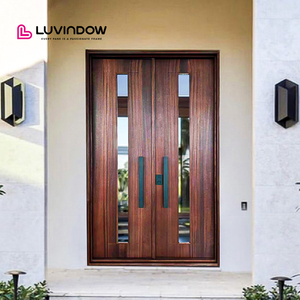
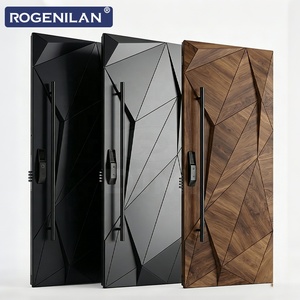
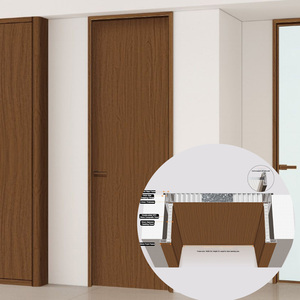
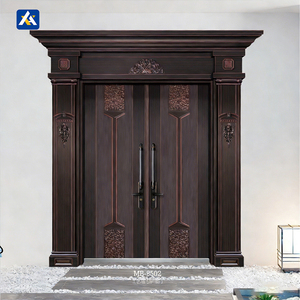
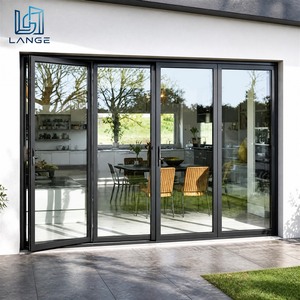
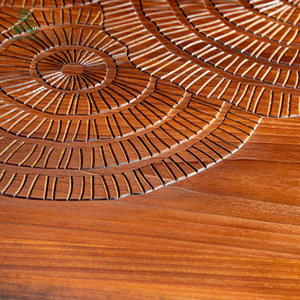
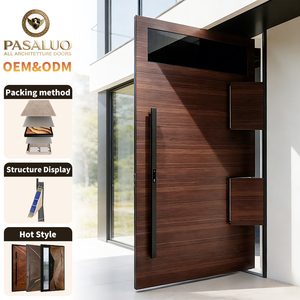
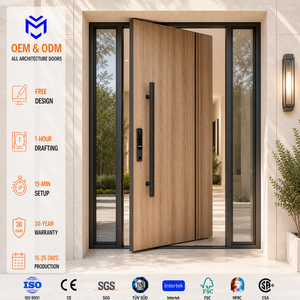
The global demand for high-performance architectural entry systems has shifted significantly toward hybrid structural materials. Among these, aluminium and wood composite front doors sourced from established Chinese manufacturing hubs represent the benchmark for thermal efficiency, structural integrity, and architectural luxury. By uniting the high tensile strength, anti-corrosion properties, and weather resistance of extruded aluminum alloys (6063-T5/T6) with the natural insulation and aesthetic elegance of solid hardwood (such as Oak, Teak, and Mahogany), leading Chinese exporters are providing builders, developers, and architects worldwide with optimized facade solutions.
Modern fenestration design relies on multi-layer thermal break technology. Aluminum frames positioned on the exterior protect the entrance system from harsh UV radiation, monsoon-level rainfall, and thermal expansion. Concurrently, interior solid wood components eliminate cold bridging, delivering low U-factors compliant with stringent European Passive House standards and North American NFRC regulations. Chinese manufacturing centers—specifically located in Nanhai District, Foshan—have perfected CNC-machined joinery, heavy-duty pivot hinge integrations, and bi-directional weatherstrip sealing to produce entrance doors engineered for decades of maintenance-free service life.
Technical Gain Insight: Structural analysis indicates that aluminum-clad wood entrance doors reduce thermal conductivity by up to 68% compared to standard hollow metal doors, while providing superior resistance to wind load pressure (tested up to 5000 Pa, achieving AS2047 compliance).
To assist technical procurement managers and structural engineers in evaluating front door systems, the following cross-material benchmark illustrates performance parameters key to international project sourcing:
| Performance Parameter | Aluminum-Wood Composite | Solid Hardwood Doors | Pure Extruded Aluminum |
|---|---|---|---|
| Thermal Transmittance (U-Value) | 0.8 - 1.2 W/m²K (Superior) | 1.4 - 1.8 W/m²K (Moderate) | 1.6 - 2.4 W/m²K (Requires Thermal Break) |
| Acoustic Insulation (STC Rating) | 40 - 45 dB (Exceptional) | 32 - 38 dB (Good) | 28 - 35 dB (Standard) |
| Weather & UV Resistance | Class-Leading Fluorocarbon (PVDF) | Requires Periodic Refinishing | High Anodized / Powder Coated |
| Structural Stability (Warping Risk) | Zero Warping (Honeycomb / Clad) | Moderate (Sensitive to Humidity) | Zero Warping |
| Expected Lifespan | 35+ Years | 20-25 Years (With Maintenance) | 30+ Years |
Sourcing directly from tier-one Chinese door factories eliminates redundant intermediary supply-chain margins while granting direct access to customized manufacturing lines. Modern Foshan production facilities operate across expansive footprints—often exceeding 20,000 square meters—utilizing 5-axis German CNC milling machinery, automated profile cutting lines, and specialized dust-free fluorocarbon paint workshops.
China's top entry door exporters cater to custom architectural drawings rather than static, off-the-shelf inventory. Key OEM/ODM engineering capabilities include:
Factory Quality Assurance Protocol: Leading exporters mandate rigorous internal testing prior to crating, including 100,000-cycle hardware endurance tests, water-tightness chamber testing under pressurized spray, and salt-spray corrosion evaluations lasting over 1,000 hours.
As international energy codes become increasingly strict and modern architectural trends lean heavily toward seamless indoor-outdoor transitions, the global export market for China-manufactured front doors is evolving rapidly. Procurement managers must position their sourcing strategies to capture upcoming technological shifts.
Demand for traditional narrow single-swing doors is being outpaced by monumental oversized pivot entry systems. Architect-specified homes increasingly mandate entryways of 1.8m to 2.5m in width, requiring high-strength aluminum structural frames to guarantee zero sagging over long-term operation.
Substitutions of traditional solvent paints with powder-coating electrostatic systems, fluorocarbon PVDF spraying, and non-toxic wood grain transfer technology ensure zero VOC emissions while doubling weatherability against severe coastal salt mist exposure.
The future of residential front doors relies on smart integration. Modern doors are pre-wired during factory assembly to support automated drop-down bottom seal gaskets, magnetic multi-point locking rods, and home automation systems via Zigbee, Z-Wave, or Matter protocols.
One of the primary concerns for international buyers importing custom heavy-duty doors from China is sea-freight transit damage and environmental moisture degradation. Established exporters employ a standardized 5-layer protective packing matrix designed to withstand long-distance maritime transit and rough port handling:
Below are detailed responses to the most critical commercial and technical inquiries submitted by general contractors, real estate developers, and international distributors.
Our hybrid front door systems utilize PA66 GF25 (Polyamide 66 reinforced with 25% glass fiber) thermal break strips. This material exhibits matching thermal expansion coefficients to structural aluminum while providing exceptional thermal resistance. Combined with polyurethane foam infill inside profile chambers, our systems achieve low U-values compliant with North American NFRC and European CE standards.
Timber stability depends heavily on moisture control. All solid wood materials (such as Oak, Teak, and Walnut) undergo computer-controlled kiln drying to reduce internal moisture content strictly between 8% and 12%. Furthermore, we utilize engineered multi-ply laminated timber (LVL) cores faced with natural wood veneers, which neutralizes internal wood tension and eliminates warping under fluctuating outdoor humidity.
Yes. For regions subject to typhoons or severe weather (such as Florida, the Caribbean, or coastal Australia), we manufacture impact-rated entrance systems. These feature heavy-wall 6063-T6 aluminum extrusions (2.0mm to 3.0mm structural wall thickness), laminated impact glass units (e.g., 6mm + 1.52PVB + 6mm), and multi-point deadbolt hardware rated for extreme design pressures up to +50/-50 PSF.
Standard export configurations come fitted with top-tier international hardware including German HOPO, Siegenia, GU, and Italian AGB systems. We also offer full OEM customization, allowing clients to send hardware specs or request pre-milled lock pockets and hinge prep matching US/European standard locks (such as Yale, Schlage, or Baldwin mortise bodies).
Because every door is engineered to custom dimensions and project specifications, standard factory lead time is 25 to 35 calendar days following shop drawing approval. We accommodate flexible procurement requirements: single custom villa doors are supported under sample orders, while bulk commercial orders benefit from tiered container-load factory pricing.