
Precision-engineered aluminum windows, sliding partitions, folding bar systems, and high-impact exterior doors compliant with global building standards.
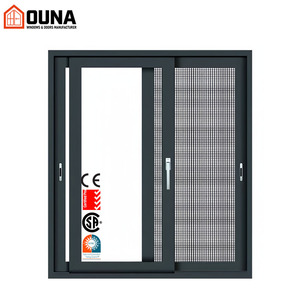
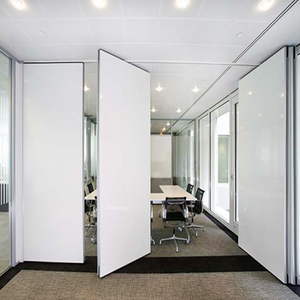
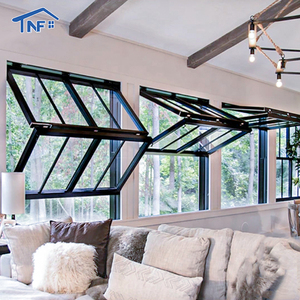
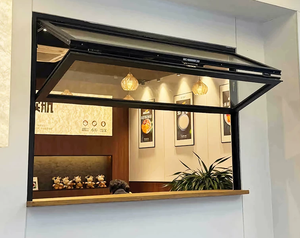
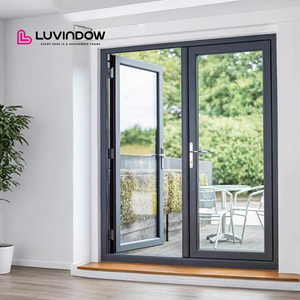
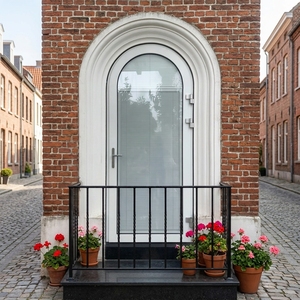
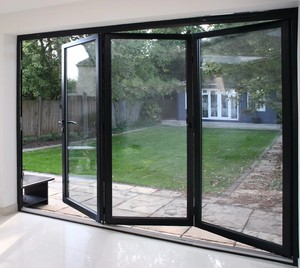
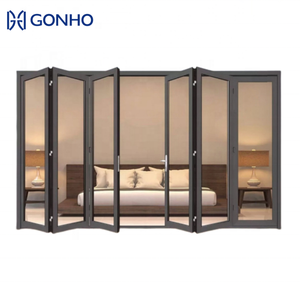
The global architectural landscape has experienced a dramatic resurgence in minimalist industrial aesthetics. Originally pioneered in 1884 by Francis Crittall in Essex, England, steel-framed grid windows became synonymous with Art Deco, modernism, and industrial urban architecture. However, traditional hot-rolled steel fenestration systems pose severe operational and environmental challenges in contemporary construction—including intense thermal bridging, substantial structural weight, vulnerability to atmospheric corrosion, and astronomical fabrication costs.
As leading B2B fenestration OEMs based in Foshan, China, top manufacturers have re-engineered the classic industrial steel aesthetic using 6063-T6 architectural-grade extruded aluminum alloys integrated with structural thermal-break barriers. The modern Aluminium Crittall-style system replicates the iconic ultra-narrow sightlines and geometric mullion grids (glazing bars) of legacy steel while completely resolving thermal efficiency, corrosion resistance, and total cost of ownership (TCO).
B2B Technical Gain: By replacing solid steel sections with multi-chambered polyamide thermal break aluminium extrusions, structural weight is reduced by 45% while achieving thermal transmittance values (U-factors) as low as 1.2 W/m²K, making them fully compliant with modern Energy Codes across North America, Europe, and Australasia.
Architects, façade consultants, and commercial real estate developers sourcing from China now prefer thermally broken aluminum Crittall lookalikes for high-end residential extensions, boutique commercial spaces, luxury villa exterior envelopes, and acoustic interior space partitioning.
To assist global procurement officers, project engineers, and importers in making data-driven decisions, the following matrix compares structural, acoustic, and thermal performance parameters across structural fenestration profiles:
| Performance Metric | Modern Aluminium Crittall (China OEM) | Traditional Hot-Rolled Steel Crittall | Standard Commercial Aluminium Window |
|---|---|---|---|
| Typical Sightline Width | 15mm – 30mm (Ultra-Slim) | 20mm – 35mm | 50mm – 75mm (Bulky Profile) |
| Thermal Transmittance (U-Value) | 1.1 – 1.5 W/m²K (PA66 Thermal Break) | 2.8 – 5.2 W/m²K (Poor Insulation) | 1.6 – 2.4 W/m²K |
| Corrosion Resistance Rating | C4-C5 Atmospheric (Qualicoat Powder Coating) | Requires Constant Repainting / Rust Risk | Standard Anodized / Powder Coated |
| Glazing Compatibility | Double / Triple Tempered Low-E (24mm–38mm) | Single or Thin Double (12mm–18mm) | Standard Double Insulated Glass Units |
| Acoustic Rating (STC / Rw) | STC 38 – 45 dB (Multi-point Gaskets) | STC 28 – 34 dB | STC 32 – 38 dB |
| Fabrication Lead Time & Cost | Factory Direct, Scalable & Highly Cost-Effective | Extremely High Cost, Niche Handcrafted | Low Cost, Standardized Sizes |
Foshan, located in Guangdong Province, serves as the premier global manufacturing hub for architectural aluminum. Advanced China aluminum Crittall window factories operate integrated supply chains featuring alloy casting, high-precision extrusion dies, automated anodizing, and CNC profile machining. Engineering high-strength slim profiles requires rigorous metallurgical oversight to withstand high wind pressures and structural deflection forces.
Utilizing high-purity 6063-T6 and 6060-T66 aluminum billets. T6 heat treatment provides ultimate tensile strength ≥ 205 MPa and yield strength ≥ 170 MPa, ensuring zero sash warping across heavy double-glazed units.
Incorporating 24mm to 34mm Technoform polyamide strips reinforced with 25% glass fiber. Prevents condensation formation, drastically minimizes heat transfer, and enhances energy conservation ratings.
Architectural electrostatic fluorocarbon (PVDF) and AkzoNobel powder coatings applied to 60-80μm thickness. UV-resistant, color-fast for over 25 years, resistant to salt-spray and coastal marine oxidation.
Furthermore, China’s leading Crittall window factories utilize CAD/CAM structural modeling to calculate section moment of inertia ($I_x$ and $I_y$). This allows engineered mullions to absorb wind loads exceeding 5.0 kPa (equivalent to Category 5 hurricane conditions), matching structural requirements for high-rise residential towers and coastal villa developments.
As international building codes push toward Net-Zero Energy Buildings (NZEB) and passive house standards, the procurement dynamics for Chinese aluminum fenestration products are evolving rapidly. Importers, contractors, and architectural specifiers must realign their supply chain strategies to leverage these four emerging industry trends:
The next generation of aluminium Crittall design eliminates visible perimeter frames entirely. Factory structural silicone bonding (Dow Corning / Sika) directly attaches insulated glass units to ultra-slim concealed aluminum sashes. Sightlines are reduced to a minimal 15mm, maximizing daylight transmission (VT) while preserving grid geometry.
European Union CBAM (Carbon Border Adjustment Mechanism) and ESG reporting mandates are incentivizing tier-1 Chinese manufacturers to adopt hydro-powered low-carbon aluminum scrap-recycled billets. Sourcing windows fabricated from low-carbon aluminum cuts embodied carbon footprints by up to 65% per square meter of façade.
For high-end commercial interiors and luxury hospitalities, aluminium Crittall partitions are incorporating Switchable Smart Privacy Glass (PDLC) alongside double acoustic laminated glass (PVB/SGP). This allows seamless transition from industrial transparent spatial partitions to opaque private meeting zones at the touch of a button.
Leading Foshan manufacturers provide complete Building Information Modeling (BIM) Autodesk Revit objects for architectural firms globally. Windows are manufactured, factory-glazed, pre-hung, and shipped as fully pre-assembled modular cassettes—reducing on-site job installation labor costs by up to 40%.
Established in 1993 in Nanhai District, Foshan City, Window Wurx Industry Co., Ltd. has grown over three decades into an industry-leading OEM/ODM manufacturer specializing in high-performance aluminum window and door systems, architectural curtain walls, skylights, and sunrooms.
Answers to crucial engineering, quality control, shipping, and customization questions asked by international buyers, architects, and procurement managers:
We offer three structural glazing bar configurations based on project specifications: 1) Applied/Stick-on Muntins (Astragal Bars): Precision-milled aluminum bars bonded to both external glass surfaces with 3M structural tape, combined with internal spacer bars for an authentic multi-pane look and structural integrity. 2) Internal Grilles (GBG): Aluminum grids sealed inside the insulated double glazing for effortless glass cleaning. 3) True Divided Lites (TDL): Individual glass panes separated by structural aluminum T-mullions for extreme heavy-duty commercial installations.
Our window and door systems comply with rigorous global codes. We hold standard CE certification (EN 14351-1) for Europe, AS2047 & AS1288 compliance tested by NATA-accredited laboratories for Australia and New Zealand, and structural wind-load testing reports compliant with ASTM standards for North America. Full test reports are supplied alongside CAD shop drawing submittals.
Yes. For northern European, North American, or cold climate zones, we specify multi-chambered polyamide PA66 GF25 thermal break extrusions, combined with triple-pane double Low-E argon gas-filled glass units (e.g., 6mm Low-E + 12Ar + 6mm Clear + 12Ar + 6mm Low-E). Warm-edge composite spacer bars are integrated to lower overall U-values down to 1.1 W/m²K, preventing interior condensation.
Our standard production lead time is 25 to 35 days following shop drawing approval and deposit receipt. For urgent commercial projects, expedited manufacturing tracks can be scheduled. As a flexible B2B manufacturer, we support both small-volume custom residential villa orders (MOQ starting at 30 m²) and large-scale multi-building commercial developments.
We implement a strict 5-layer export packaging standard: First, protective anti-scratch PE film covers all powder-coated surfaces. Second, heavy-duty rubber edge protectors shield frame corners. Third, units are sealed in thick polyethylene moisture barriers. Fourth, bubblewrap cushioning is applied. Finally, products are packed inside solid, fumigation-free plywood crates fitted with internal shock-absorbing braces for sea container loading.
Partner directly with China’s premier aluminum window manufacturer. Send us your architectural drawings, window schedules, or custom profile specifications for immediate technical review and factory-direct pricing.
Send an Inquiry