
Precision-engineered aluminum doors, sliding systems, and thermal break solutions compliant with international AS2047, CE, and NFRC standards.
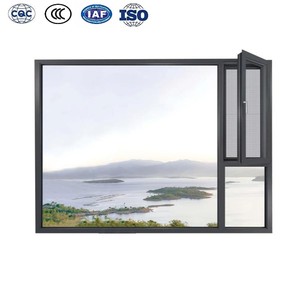
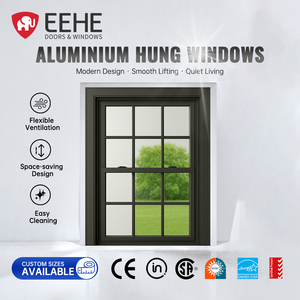
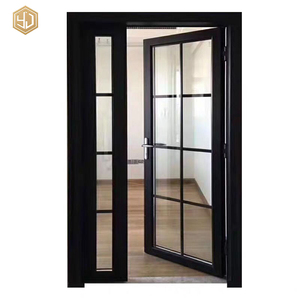
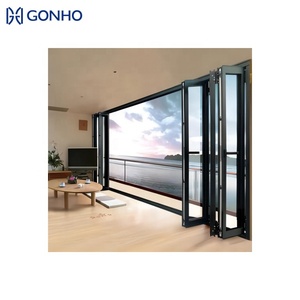
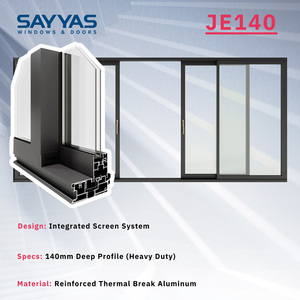
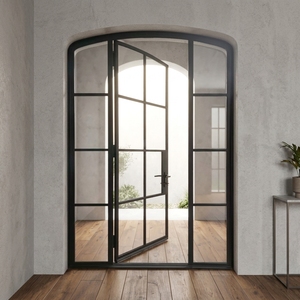
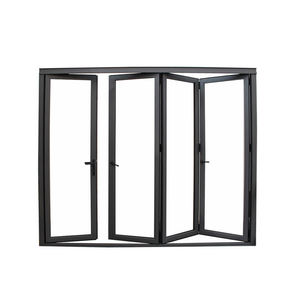
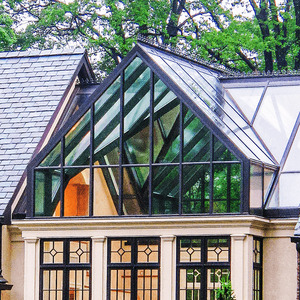
Evaluating OEM/ODM aluminum door factories requires looking beyond basic price-per-square-meter metrics. Technical rigors, structural alloy tempers, and thermal barrier engineering determine long-term project longevity.

In-house architectural engineers utilize advanced FEA software to optimize profile wall thickness, wind-load resistance (up to 5000 Pa), and structural deflection parameters. Certified to CE and Australian AS2047 standard specs.

Operating 3 fully automated production lines across a 20,000 m² facility. We seamlessly handle small-batch bespoke villa orders and high-density commercial tower fenestrations with a 30% annual growth trajectory.

Manufacturing since 1993 in Foshan—China's aluminum heartland. Decades of refined supply chain management guarantee premium 6063-T5 aluminum billets, Technoform polyamide strips, and German hardware integration.
Global architectural trends toward floor-to-ceiling glass expanses, structural transparency, and ultra-low thermal transmittance (U-values) have positioned Chinese aluminum door manufacturers at the center of international supply chains. However, for foreign purchasing directors, real estate developers, and facade contractors, navigating the spectrum of manufacturing quality in China requires precise technical metrics rather than marketing generalities.
When specifying structural aluminum key doors, heavy-duty lift-and-slide doors, and modern thermal break fenestration systems, professional procurement teams evaluate three critical engineering pillars: material metallurgy, thermal break integration, and dual-seal EPDM gasket performance.
Information Gain Insight: Not all aluminum profiles marked "6063-T5" offer identical structural yield strength. Tier-1 Foshan exporters mandate virgin aluminum ingot smelting with precise magnesium-to-silicon ratios (0.45%-0.9% Mg, 0.2%-0.6% Si), preventing intergranular corrosion and maintaining Tensile Strength exceeding 160 MPa.

Primary extrusion profiles are crafted exclusively from high-density 6063-T5 or T6 grade aluminum alloys. Profile wall thicknesses range from 1.4mm for standard casement windows to 2.0mm–3.0mm for heavy-duty exterior bi-folding and lift-and-slide doors. This guarantees absolute resistance to frame twisting under extreme tropical cyclone or high-altitude wind pressure loads.
Surface treatment systems utilize world-class AkzoNobel powder coating and Qualicoat-certified fluorocarbon (PVDF) spraying, achieving dry-film thicknesses of 60–80 microns. This protects profiles against UV degradation, salt spray corrosion in coastal zones, and physical abrasion over 25+ years of operational exposure.

The thermal core of modern energy-efficient aluminum doors relies on polyamide thermal break strips. Premier factories reject cheap PVC insulation strips—which degrade and shrink under thermal expansion stress—in favor of imported Technoform PA66-GF25 (Polyamide 66 reinforced with 25% glass fiber).
Paired with double or triple-glazed Low-E Insulated Glass Units (IGU) filled with 90%+ Argon gas, these systems drop overall frame and glass heat transfer values (Uw) down to 1.1 - 1.4 W/m²K, satisfying strict European Passivhaus and North American NFRC energy codes.

Long-distance maritime transit represents one of the largest damage vectors for imported glass and aluminum systems. To eliminate transit distortion, scratching, and glass fracture, export unit packaging follows a rigorous 5-layer system:
When selecting your manufacturing partner in China, contrasting technical execution standards reveals the true total cost of ownership (TCO). The table below outlines key engineering differentiators:
| Evaluation Metric | Tier-1 Exporters (Window Wurx Standard) | Small-Scale Local Workshops |
|---|---|---|
| Aluminum Billet Quality | Grade A 6063-T5 / T6 Virgin Ingot | Recycled / Scrap Hybrid Billets |
| Thermal Strip Material | PA66-GF25 Glass Fiber Reinforced Nylon | Low-Grade PVC Plastic Strips |
| Glass Certification | AS/NZS 2208, SGCC, CE EN12150 Tempered | Uncertified Local Float Glass |
| Hardware Drive Systems | German Siegenia / HOPPE / CMECH 100,000 Cycles | Generic Unbranded Hardware |
| Weather Seals & Gaskets | Continuous Vulcanized EPDM Gaskets | Low-Elasticity Rubber / PVC Seals |
| Shop Drawings & BIM | Full CAD / 3D BIM Detailing & Structural Calculations | Basic Hand Sketches / Hand Measurements |
As global building energy codes tighten and minimalist interior design dominates high-end residential architecture, China's export manufacturing sector is pivoting toward several key technological advancements.
Architects are phasing out bulky 90mm frame profiles in favor of 20mm–25mm ultra-slim interlockers for panoramic sliding glass doors. Structural adhesive bonding allows glass panels to carry structural loads while maximizing daylight transmission.
Demand for heavy-duty electric lift-and-slide doors and automated sky-lights integrated with smart home IoT networks (KNX, Zigbee, Tuya) has increased by 45% annually among luxury residential projects.
With the implementation of the EU's Carbon Border Adjustment Mechanism (CBAM), top Chinese exporters are adopting hydro-powered low-carbon aluminum billets, offering verifiable EPD (Environmental Product Declaration) certificates.
Explore our 20,000 m² Foshan fabrication hub, rigorous quality testing labs, and international showroom galleries.


Direct answers to crucial questions foreign buyers and project managers ask before placing production orders.
For Australia/New Zealand, products must be tested and certified according to AS2047 (Windows and external glazed doors) and AS1288 (Glassing in buildings). For North America, NFRC thermal performance ratings and AAMA structural water/wind pressure testing are required. Our products are fully certified for compliance across these jurisdictions.
Before production, our engineering department produces detailed 2D CAD shop drawings and 3D cross-section BIM models for client review. Fabrication only begins after explicit approval of all dimensions, wall junction details, hardware orientations, and color finish codes.
Yes. Because our thermal break profiles utilize two separate aluminum extrusions joined by polyamide PA66-GF25 strips, we can finish the exterior frame to match the building facade (e.g., Matt Black) while finishing the interior frame to complement internal decor (e.g., Anodized Bronze or Warm White).
Standard fabrication time is 25 to 35 business days following shop drawing sign-off and deposit receipt. For complex custom curved profiles or specialized glass coatings (such as triple Low-E solar control glass), lead times may range from 35 to 45 days. We provide complete production milestone tracking.
We supply premium European hardware systems including German Siegenia, HOPPE, Sobinco, and top-tier custom CMECH hardware. Lock cylinders, multi-point locking gearboxes, heavy-duty stainless steel rollers (supporting sash weights up to 400kg), and child-safety locks can be specified.
We provide direct factory-direct pricing, wholesale dealership frameworks without expensive franchise fees, dedicated project assistance for tender bidding, sample kits, profile corner cutaways, and complete technical compliance documentation.
Connect directly with our engineering sales team to submit architectural elevation schedules, request CAD shop drawings, or obtain factory-direct quotation proposals within 24 hours.
Contact Us