
Precision-engineered thermal barrier systems designed for subterranean cellars, luxury villas, and commercial wine preservation.
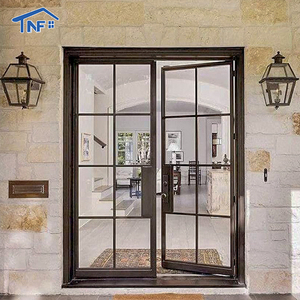
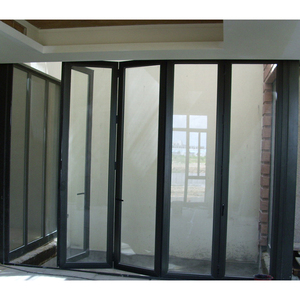
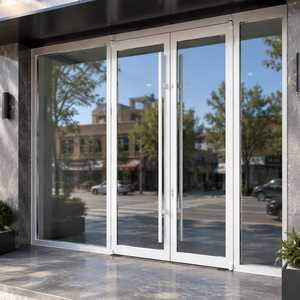
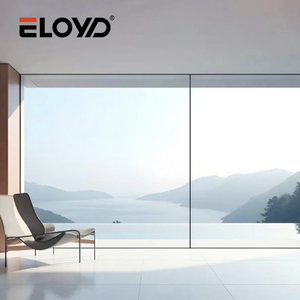
In modern high-end residential, hospitality, and commercial viticulture projects, the specification of aluminum cellar doors has evolved beyond aesthetics into a high-precision thermal and structural engineering discipline. A wine cellar or subterranean storage facility requires strict atmospheric isolation: stable relative humidity between 55% and 75%, alongside tightly regulated ambient temperatures (typically 12°C to 15°C / 55°F to 59°F). Traditional timber doors often warp under sustained moisture gradients, while standard uninsulated metal profiles induce condensation, thermal bridging, and severe energy loss.
As China’s premiere cluster of architectural fenestration, Foshan in Guangdong Province has established itself as the world’s leading hub for advanced aluminum door fabrication. Premier manufacturers leverage extruded 6063-T5 structural aluminum alloys, polyamides with 25% glass fiber reinforced thermal break strips (PA66-GF25), and dual-seal EPDM gaskets to deliver hermetic sealing. Whether outfitting luxury subterranean residential cellars or heavy-duty commercial cold storage facilities, Chinese factories provide unparalleled OEM/ODM customization capabilities backed by global compliance testing (including EN 14351-1 CE standards and Australian AS2047 specifications).
Eliminates thermal bridging between interior subterranean environments and external ambient temperatures, preventing frame condensation.
Argon-filled double or triple pane tempered glass configurations boasting U-factors down to 1.1 W/m²K for extreme climate isolation.
Perimeter gear locks combined with continuous EPDM or silicone hollow gasket seals compress tightly to block moisture infiltration.
Inspect our modern 20,000 square meter Foshan manufacturing facilities, equipped with automated cutting centers, CNC profile machining, and cleanroom glass assembling lines.


The global market for custom architectural glazing is experiencing several key technological pivots. B2B buyers—including real estate developers, architectural specifiers, regional distributors, and hospitality procurement leaders—must evaluate supplier capabilities based on these emerging technical developments:
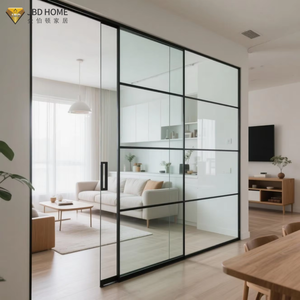
Architects increasingly demand invisible aluminum frame profiles with interlocking stiles as narrow as 20mm. High-strength 6063-T6 aluminum alloys allow heavy double-glazed units to slide or pivot smoothly while retaining maximum panoramic transparency.
Modern cellar entryways now embed IoT temperature and humidity sensors directly within the thermal break cavity, interfacing with automated building management systems (BMS), motorized locks, hidden electronic drop seals, and biometric access controls.
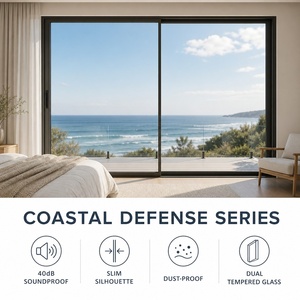
To resist corrosive underground dampness and harsh atmospheric salts in coastal villa installations, top factories utilize AkzoNobel fluorocarbon (PVDF) spray coatings and Qualicoat Class 2 powder coating treatments that guarantee color retention for 25+ years.
| Performance Parameter | Standard Commercial Aluminum Door | High-Spec Thermal Break Cellar Door | Cold Storage Hybrid Cellar System |
|---|---|---|---|
| Frame Alloy & Temper | Standard 6063-T5 (1.4mm) | High-Tensile 6063-T5 / T6 (2.0mm - 3.0mm) | Heavy-Duty Aluminum + PVC Thermal Barrier |
| Thermal Transmittance (U-Value) | ≥ 3.5 W/m²K | 1.2 - 1.8 W/m²K (PA66 Insulation) | ≤ 0.8 W/m²K (Polyurethane Core Option) |
| Acoustic Insulation (STC) | 28 dB - 32 dB | 38 dB - 45 dB (Acoustic Laminated Glass) | 42 dB+ (Triple Seal System) |
| Glass Build-Up | 5mm + 6A + 5mm Clear Tempered | 6mm Low-E + 12Ar + 6mm Toughened | 6mm Low-E + 16Ar + 6mm Laminated |
| Air Infiltration (ASTM E283) | Level 3 Standard | Level 1 (< 0.1 cfm/ft² Hermetic Seal) | Level 1+ Zero-Pressure Hermetic Seal |
Founded in 1993 in Foshan, Guangdong Province, Window Wurx Industry Co., Ltd. has established an international reputation as China's premier manufacturer and exporter of custom aluminum windows, cellar doors, skylights, sunrooms, and curtain wall systems. For over three decades, our engineering teams have partnered directly with global architects, building contractors, developers, and door distributors across North America, Europe, Australia, and the Middle East.


Our in-house design lab continuously tests wind load, water tightness, structural deflection, and U-values. Systems are certified to CE and Australian AS2047 standard guidelines.
Spanning 20,000 square meters with 3 automated assembly lines and 150+ master craftspeople, we handle high-volume luxury real estate orders and bespoke single-villa custom builds with equal precision.
Every cellar door undergoes protective film wrapping, corner guards, air-bubble cushioning, and placement inside non-fumigation plywood crates braced specifically against ocean vessel vibration.
Read essential answers regarding technical specifications, lead times, customization, and export logistics when sourcing aluminum cellar doors directly from China manufacturers.
Wood is prone to swelling, warping, and mold growth under sustained 60-70% humidity levels typical of wine cellars. Steel, while strong, is highly thermally conductive and susceptible to rust without expensive coatings. Thermal break aluminum (6063-T5) offers structural stability, complete resistance to moisture damage, zero warping, minimal maintenance, and superior thermal isolation when combined with PA66 insulation strips.
Our window and door systems undergo rigorous laboratory testing. They carry CE certification (EN 14351-1) for the European Union market and are tested to Australian Standard AS2047 (including AS1288 glass compliance). Furthermore, we operate under ISO9001 certified manufacturing routines to ensure consistent quality across all batches.
Yes, 100% of our production is made-to-order. You can specify exact rough opening dimensions, aluminum frame finishes (powder-coated RAL colors, fluorocarbon PVDF, or woodgrain finishes), Simulated Divided Lites (SDL) grill designs, Low-E argon-filled double or triple glazing, magnetic seals, and smart electronic or keypad entry locks.
Glass condensation occurs when warm exterior air contacts glass cooled by the cellar interior. We prevent this by utilizing insulated Glass Units (IGUs) composed of double or triple tempered glass panes separated by warm-edge spacers, filled with inert Argon gas, and treated with low-emissivity (Low-E) coatings to optimize overall U-values.
Typical fabrication lead time is 25 to 35 calendar days following shop drawing approval. For logistics protection, every unit is wrapped in multi-layer protective PE film, reinforced with corner bumpers, padded with shock-absorbing foam, and crated in fully enclosed, non-fumigation plywood boxes designed for long-distance container freight.
Yes. Once project requirements are confirmed, our engineering department generates precise 2D CAD elevations, cross-sectional profile details, and installation diagrams for architectural review and sign-off before manufacturing commences.
Partner with Window Wurx Industry Co., Ltd. — Foshan's trusted manufacturer since 1993. Request your detailed product catalog, structural drawings, and competitive wholesale price quotation today.
Get Catalog