
Manufactured to international structural standards (AS2047, CE, NFRC) with thermal-break extrusions and multi-point security hardware.
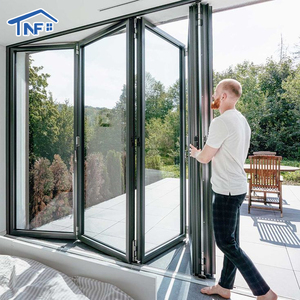
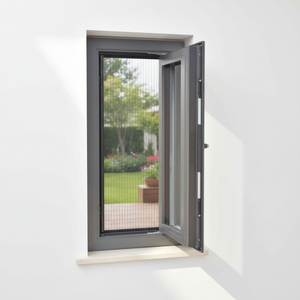
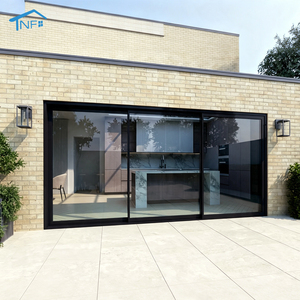
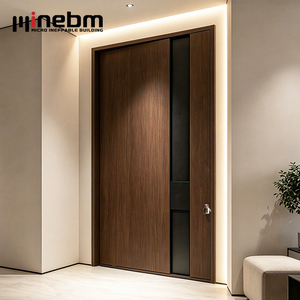
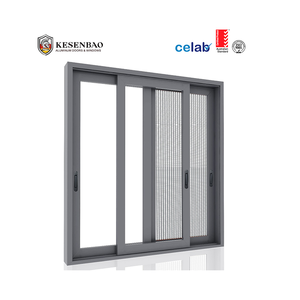
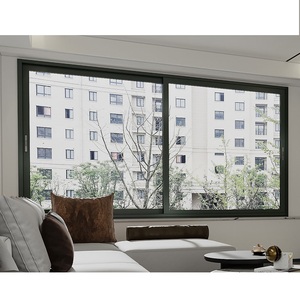
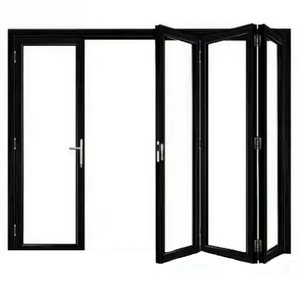
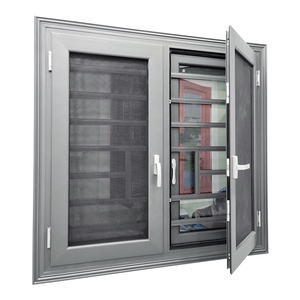
In contemporary architectural design, the window is no longer merely a functional aperture for daylight and ventilation; it represents a highly engineered thermal, acoustic, and structural envelope barrier. Located in Foshan, China—the world’s premiere manufacturing hub for structural aluminum profiles—our enterprise, Window Wurx Industry Co., Ltd., has specialized in custom OEM/ODM architectural glazing solutions since 1993. Serving real estate developers, commercial contractors, trade distributors, and custom villa builders worldwide, we bridges advanced material science with industrial-scale manufacturing efficiency.
Sourcing directly from an established OEM aluminum window factory mitigates the cost inflation associated with multi-tier distribution networks while granting procurement teams granular control over material specifications. Operating out of a state-of-the-art 20,000-square-meter automated production center equipped with CNC double-head cutting machines, corner-crimping robotics, and automated glass assembly lines, our facility converts raw architectural-grade 6063-T5 aluminum alloys into certified fenestration systems engineered for extreme weather resistance.
Information Gain Insight: The structural integrity of an aluminum window relies heavily on profile wall thickness and alloy heat treatment. While standard residential systems utilize 1.4mm profile thickness, our OEM structural casement and high-load sliding systems feature extrusions up to 2.0mm–3.0mm, tested to withstand typhoon-level wind pressures up to 5.0 kPa under AS2047 and EN 12210 standards.
Our OEM capabilities span every facet of design engineering and profile extrusion customization. We provide comprehensive shop drawings (CAD/BIM models) tailored to regional building code metrics across North America, Europe, Australia, and the Middle East:
High-tensile architectural aluminum offering superior structural rigidity, anti-corrosion properties, and flawless surface finish compliance.
Advanced polyamide thermal barrier strips that dramatically reduce conductive heat transfer, eliminating interior condensation risks.
Double and triple-glazed tempered units featuring warm-edge technology and inert gas fills to reduce sound by up to 45 decibels.
To assist procurement directors and architectural specification officers in evaluating OEM custom window suppliers, the following benchmark comparison highlights our standard OEM extrusion performance against low-cost non-thermal break profiles:
| Engineering Attribute | Standard Commercial Aluminum | Our OEM Thermal Break System | Compliance Test Standard |
|---|---|---|---|
| Alloy Composition & Temper | 6063-T5 (Wall Thickness 1.2mm - 1.4mm) | Architectural 6063-T5 / T6 (1.4mm - 3.0mm) | GB 5237 / ASTM B221 |
| Thermal Transmittance (U-Value) | > 4.5 W/m²K (High heat loss) | 1.2 – 1.8 W/m²K (Low-E double glazed) | ISO 10077-2 / NFRC 100 |
| Wind Pressure Resistance | 2.0 kPa – 3.0 kPa | ≥ 5.0 kPa (Typhoon Grade) | AS2047 / ASTM E330 |
| Air Infiltration Rate | Level 2 (Infiltration prone) | Level 4 / Class 4 (< 0.5 m³/h·m) | EN 12207 / AS4420.1 |
| Acoustic Insulation (Rw) | 22 dB – 28 dB | 38 dB – 48 dB (Acoustic laminated) | ISO 717-1 / ASTM E413 |
| Surface Protection Finish | Basic Mill / Standard Powder Coat | AAMA 2605 PVDF / Anodized 25μm | AAMA 2605 / ISO 2360 |
The operational risk in international fenestration procurement lies heavily in maritime transport stress and containerized vibration. As an experienced exporter, our facility implements a standardized 5-layer protective packing protocol:
As international energy codes tighten and architectural design moves toward expansive daylighting with minimalist profiles, the global market for high-performance aluminum windows is undergoing structural shifts. B2B buyers must align their procurement strategies with four key macro-trends defining the 2026–2030 horizon:
Driven by the European Union's Carbon Border Adjustment Mechanism (CBAM) and global ESG framework compliance, major commercial developers are mandating low-carbon primary aluminum extrusions. Factory production is transitioning toward green aluminum smelted via hydroelectric power and incorporating higher percentages of post-consumer recycled alloy (recycled content >75%), which consumes 95% less energy during primary production while retaining structural strength.
Minimalist architectural aesthetics favor ultra-slim frame profiles that maximize clear glass view areas. Sourcing focus has shifted to structurally bonded glass-to-aluminum casements, concealed sash designs, and heavy-duty sliding systems with interlock meeting stiles as narrow as 20mm. These systems utilize specialized hardware rollers capable of supporting sash weights exceeding 400 kilograms while maintaining smooth manual or motorized operation.
Modern OEM window manufacturing increasingly merges mechanical extrusions with electronic automation. Sourcing demands are surging for concealed electric chain actuators integrated into smart home automation systems (KNX, Zigbee, RS485), built-in magnetic motorized blinds within sealed double glazing, and Electrochromic (EC) smart glass that adjusts tint dynamically based on solar irradiance levels.
To combat rising job-site labor costs in North America, Europe, and Australia, construction contractors are bypassing field-glazed windows in favor of factory-assembled, pre-glazed window wall and unitized curtain wall assemblies. OEM suppliers capable of pre-installing flashings, sub-frames, and perimeter thermal seals directly within the factory environment allow site installation times to drop by up to 60%.
Clear answers to key questions asked by importers, architects, and trade contractors when sourcing custom aluminum windows from China.
Our aluminum window and door systems are fully tested and certified to comply with major regional standards: CE marking for European Union markets (EN 14351-1), AS2047 and AS1288 certification for Australia/New Zealand (covering structural deflection, water penetration, air infiltration, and ultimate strength), and NFRC / AAMA compliance for North America. Full third-party lab test reports from NATA-accredited facilities are supplied alongside shop drawings.
Once architectural elevation drawings or window schedules are submitted, our engineering team provides preliminary structural feasibility reviews and formal CAD shop drawings within 48 hours. After drawing approval and hardware confirmation, sample prototypes are prepared within 7–10 days. Full-scale project manufacturing typical lead time ranges between 20 to 30 calendar days depending on color finish and glass complexity.
Yes. Our thermal break rolling assembly lines allow complete two-tone customization. The exterior aluminum profile can be coated in a high-durability fluorocarbon (PVDF) color to match the exterior building façade, while the interior aluminum section can be powder-coated or finished in a timber-grain foil to harmonize with interior architectural millwork.
Every order undergoes our 5-layer protective export packaging regimen: individual unit surface film protection, corner guards, EPE foam wrap, moisture-barrier stretch wrap, and heavy-duty, fumigation-free solid plywood crates. Furthermore, crates are loaded into ocean containers using specialized internal strapping and floor-anchored bracing to eliminate transit movement.
Standard architectural powder colors (RAL 9005 Black, RAL 9016 White, RAL 7016 Anthracite Grey) carry no minimum order quantity. For non-standard custom RAL color matching or special anodized finishes, our minimum project threshold starts at 50 square meters, making our factory accessible for high-end custom residential villas as well as commercial developments.