
Engineered for soundproofing, thermal insulation, anti-theft security, and modern minimalism. Explore certified systems supplied by Foshan’s top extrusion and glazing manufacturing hub.
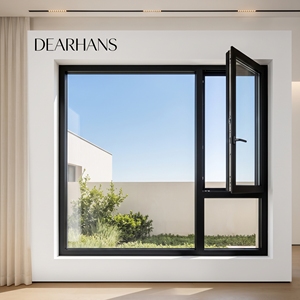
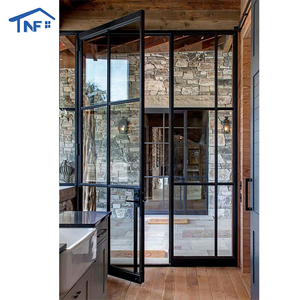
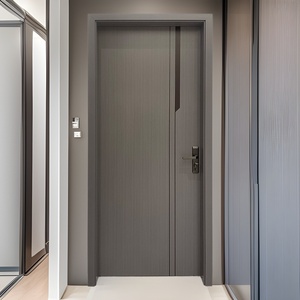
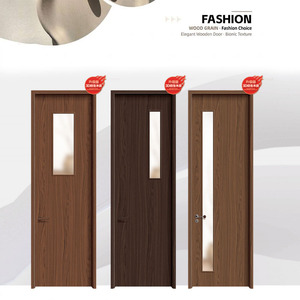
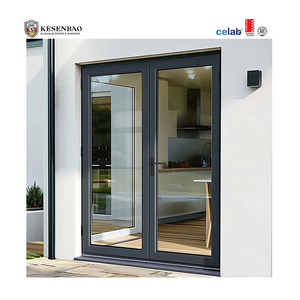
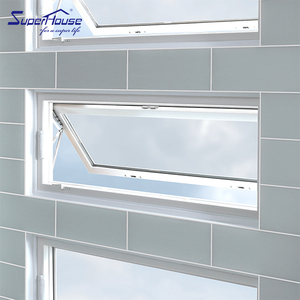
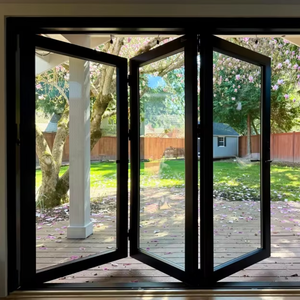
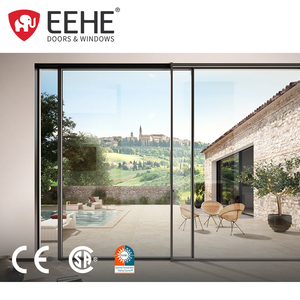
In modern residential architecture and luxury commercial interiors, the functional boundary of the kitchen has undergone a dramatic paradigm shift. No longer confined to utility-only zones, contemporary kitchens demand high light transmission, spatial fluidity, robust acoustic attenuation, and absolute containment of cooking oil fumes. Selecting the optimal manufacturer among the top 10 aluminium glass kitchen doors factories & exporters requires international real estate developers, contractors, architects, and trade importers to look far beyond surface aesthetics. It demands a rigorous evaluation of structural metallurgy, thermal-break barrier technology, glass tempered safety thresholds, and structural hardware engineering.
As leading architectural hubs such as Foshan, China solidify their position as global manufacturing powerhouses, international procurement teams must establish objective benchmark criteria to evaluate potential OEM and ODM suppliers. This industry white paper provides a comprehensive analysis of technical profiles, future material evolutions, structural performance metrics, and strategic international procurement standards.
Modern minimalist interiors favor narrow frame profiles (16mm to 28mm visible face) without compromising structural wind pressure resistance or sash load capacities.
Multi-cavity EPDM rubber gaskets combined with magnetic perimeter seals ensure 99.8% containment of airborne grease, odors, and moisture during heavy cooking.
Double-glazed insulated glass units (IGUs) laminated with PVB interlayers achieve noise reduction ratings up to 42 dB, insulating quiet living zones from appliance noise.
The global market for aluminium glass doors is shifting rapidly from standard single-glazing sliding doors toward sophisticated, thermally-broken multi-panel systems. Leading exporters are investing heavily in automated CNC machining centers, precision corner-crimping technologies, and eco-friendly surface finishing processes. Understanding these technical developments is critical for global buyers focused on long-term project longevity and compliance with strict building energy codes.
High-tier factories strictly utilize primary 6063-T5 or 6063-T6 architectural-grade aluminum alloys. Unlike remelted scrap aluminum, virgin 6063 alloy offers superior tensile strength (exceeding 180 MPa), excellent yield strength, and optimal elasticity. This metallurgic density prevents frame distortion over decades of heavy daily usage, even when supporting heavy multi-laminated glass panes up to 150 kg per leaf.
Wall thickness is another vital indicator of product class. While low-end residential doors operate at a structural wall thickness of 1.2mm to 1.4mm, commercial-grade and premium kitchen partition systems from top exporters adhere to a minimum profile thickness of 2.0mm to 3.0mm, fulfilling heavy-duty structural integrity standards set by AS2047 (Australia), CE EN 14351-1 (Europe), and NFRC (North America).
Although kitchens were historically treated as interior spaces exempt from thermal insulation demands, modern open-concept layouts and green building certifications (such as LEED and BREEAM) require strict thermal barrier performance. Premium kitchen doors now incorporate structural thermal breaks engineered with 25% glass fiber-reinforced Polyamide (PA66GF25) strips.
The safety and optical quality of glass used in kitchen doors directly influence end-user experience and structural durability. Leading exporters offer multi-configuration glazing options:
Heat-treated to achieve 4-5 times higher impact resistance than standard float glass. Upon impact, it fractures into small, blunt granular fragments, eliminating severe injury hazards. Certified under ANSI Z97.1 and BS EN 12150.
Includes Changhong fluted glass, frosted satin-etched panels, low-iron ultra-clear glass, and smart switchable PDLC (Polymer Dispersed Liquid Crystal) film glass that transitions from opaque to transparent at the touch of a button.
As international construction paradigms pivot toward digital engineering, carbon neutrality, and space-saving modular design, procurement managers must align with factories capable of adapting to emerging global market forces.
Automatic sliding pocket doors integrated with voice control (Alexa/Google Home), motion sensors, and soft-close electromagnetic braking systems are quickly moving from high-end luxury to mainstream residential specifications.
Driven by European Union Carbon Border Adjustment Mechanisms (CBAM), top exporters are adopting low-carbon hydro-powered aluminium billets, verifying Environmental Product Declarations (EPDs) to minimize embodied carbon.
Concealed sub-floor tracks, zero-threshold drain gutters, and magnetic flush floor guides are replacing raised bottom tracks to meet universal design accessibility standards (ADA compliance).
To assist international buying groups, real estate development teams, and architectural specifyers in vetting manufacturers, the table below outlines critical performance thresholds:
| Performance Metric | Standard Residential Grade | Commercial / Premium Project Grade | Verification Method / Certification |
|---|---|---|---|
| Aluminum Alloy Grade | 6063-T5 (Secondary/Recycled Billet) | Primary 6063-T5 / T6 High-Purity Ingot | Spectrometer Metallurgic Analysis |
| Main Profile Wall Thickness | 1.2 mm - 1.4 mm | 2.0 mm - 3.0 mm (Ultra-Stable Frame) | Digital Caliper / AS2047 Standard |
| Hardware Durability Rating | 25,000 Open/Close Cycles | 100,000+ Cycles (CMECH / Siegenia / Hoppe) | EN 13126 Mechanical Durability Test |
| Glazing Acoustic Rating (STC) | 25 dB - 28 dB (Single Glass) | 38 dB - 45 dB (Double IGU / PVB Laminated) | ASTM E90 Acoustic Chamber Test |
| Surface Finish Technology | Standard Liquid Spray Paint | AkzoNobel Powder Coat / PVDF Fluorocarbon | Qualicoat Class 2 Standard / Salt Spray Test |
Headquartered in Foshan, China—the undisputed global capital of aluminum profile extrusions and architectural fenestration—Window Wurx Industry Co., Ltd. has established itself as an authoritative leader in custom aluminum windows, glass doors, skylights, and curtain wall systems since 1993. Over 30 years of continuous technological refinement, combined with direct international export capabilities, allows Window Wurx to deliver uncompromised quality, structural certification, and exceptional commercial value to global buyers.
Founded in 1993, Window Wurx brings three decades of deep extrusion metallurgy, structural engineering, and export experience, successfully supplying projects across 80+ countries worldwide.
Our expansive industrial plant features 3 fully automated production lines, state-of-the-art CNC corner-crimping equipment, double-head precision cutting machinery, and over 150 master technical craftsmen.
Our complete product portfolio holds official CE certification for European construction requirements and rigorous AS2047 testing compliance for Australia and New Zealand, alongside NFRC energy ratings.
To ensure zero damage during long-distance ocean container transport, every unit undergoes a 5-layer protective wrapping protocol, finished with fumigation-free solid timber crates and container bracing.
Our in-house technical office assists developers and architects with shop drawing development, structural wind load calculations, custom extrusion design, and precision 3D BIM integration.
We provide a highly accessible dealer partnership model that eliminates middleman markup, supported by direct factory pricing, marketing assets, and dedicated technical project assistance.
Essential answers regarding certifications, customization limits, shipping safety, payment terms, and technical specifications when sourcing aluminium glass kitchen doors from China.
Contact our engineering specialists today for expert system selection, detailed shop drawing reviews, structural consultation, and competitive direct factory quotations tailored to your construction schedule.