
Precision-engineered entrance, pivot, bi-fold, and sliding door solutions tested for structural integrity, hurricane resistance, and thermal efficiency.
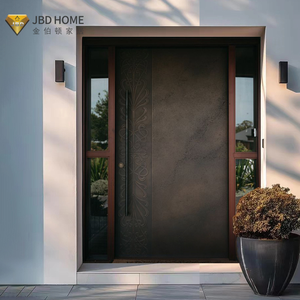
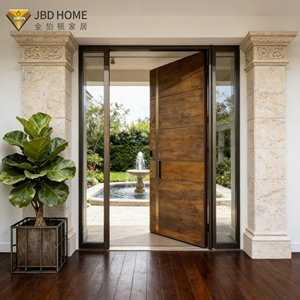
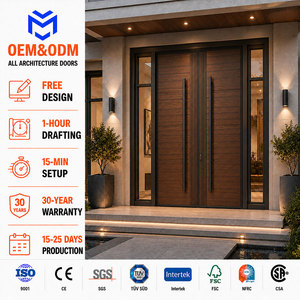
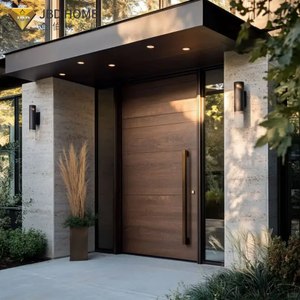
Selecting a premier aluminium residential doors manufacturer requires navigating complex architectural specifications, thermodynamic performance metrics, and global structural compliance standards. As residential construction transitions toward ultra-low energy buildings, passive house envelope design, and large-format architectural openings, the structural expectations placed on exterior entry doors, pivot systems, and patio configurations have increased exponentially.
To establish a rigorous procurement methodology, commercial buyers, residential developers, and architectural specifiers must evaluate prospective factories against five core technical pillars:
Pro Tip for Procurement Officers: Never evaluate aluminium residential doors solely on price per square meter. Total cost of quality (TCQ) is dictated by profile extrusion alloy purity (6063-T6 vs secondary scrap alloys), polyamide thermal break quality (PA66GF25 vs cheap PVC substitutes), and hardware load ratings under long-term dynamic stress.
| Evaluation Vector | Standard Requirement | Top-Tier Factory Metric (Window Wurx Standard) | Impact on Building Performance |
|---|---|---|---|
| Aluminium Alloy Temper | Standard 6063-T5 Extrusion | High-Density 6063-T6 / 6060-T66 Precision Alloy | +35% Structural Yield Strength & Wind Load Resistance |
| Thermal Insulation | Non-Thermal or PVC Strip | 24mm - 34mm Polyamide PA66-GF25 Thermal Break | Reduces U-Values to <1.4 W/m²K; Eliminates Internal Condensation |
| Surface Protection | Standard Powder Coating (<40μm) | Qualicoat Class 2 / PVDF Fluorocarbon (>80μm) | Resists UV Fading, Salt Spray Corrosion for 25+ Years |
| Structural Compliance | Basic In-house Testing | Certified to AS2047 (Australia), CE EN14351-1, NFRC | Guarantees Compliance with Local Building Codes & Insurability |
| Hardware Integration | Generic Domestic Locks | German Siegenia / GU Multi-point & Custom Heavy Pivot | Supports 500kg Sash Weight with 100,000+ Cycle Longevity |
Modern aluminium residential entry doors are engineered thermodynamic barriers. Raw aluminum possesses high thermal conductivity (~200 W/m·K). To render aluminium residential doors thermally efficient, modern factories integrate advanced thermal break technology. A structural polyamide bridge (PA66 reinforced with 25% glass fiber) isolates the exterior and interior extruded aluminum profiles, breaking the continuous heat transfer path.
At Window Wurx Industry Co., Ltd. (operating from our 20,000 m² manufacturing plant in Foshan, China), our R&D team engineers custom profiles with multi-cavity thermal break designs filled with expanded polyurethane (PUR) or aerogel insulation strips. Combined with argon-gas-filled Low-E double or triple glazing, our entrance systems achieve U-values as low as 1.1 W/m²K, making them compliant with strict European and North American energy codes.
Utilizing extruded 6063-T6 aluminum alloys with minimum wall thicknesses ranging from 2.0mm to 3.5mm, our doors easily withstand positive/negative wind pressures up to 5000 Pa (Class C5 under EN 12210 / AS2047 standards). This structural capability makes them ideal for luxury oceanfront villas and high-rise apartment entries exposed to tropical cyclones and severe coastal storms.
Security is paramount for primary residential entry doors. We incorporate multi-point locking gear systems from top-tier hardware partners like Siegenia, Hoppe, and custom biometric access controls (fingerprint, keypad, RFID, Bluetooth smart mesh). Hardened steel locking bolts and anti-drill strike plates guarantee maximum anti-burglary defense compliant with RC2/RC3 European security ratings.
As global construction markets prioritize decarbonization, modular fabrication, and sleek architectural aesthetics, the procurement landscape for aluminium doors is shifting rapidly. Buyers looking to maintain a competitive advantage must align with factories capable of adapting to four decisive industry trends:
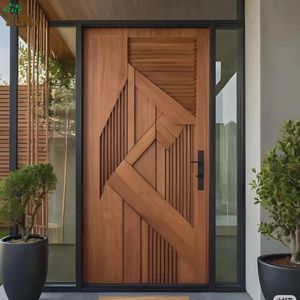
Architects are increasingly specifying oversized pivot doors (widths exceeding 2.0 meters and heights reaching 4.0 meters) as statement entryways for luxury residences. Engineering these massive panels requires zero-deflection structural profiles, floor-concealed hydraulic pivot hinges with adjustable dampening, and multi-point perimeter magnetic sealing to ensure airtightness without impeding effortless manual push-open operation.
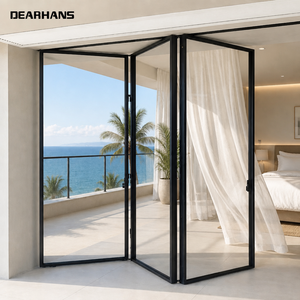
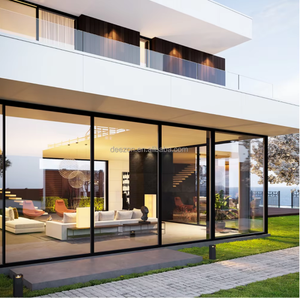
The boundary between interior living spaces and outdoor patios continues to blur. Modern residential developments demand narrow-frame bi-folding doors and ultra-slim sliding glass doors with concealed frames and flush floor thresholds. Achieving barrier-free access while maintaining water penetration resistance (up to 700 Pa under hydrostatic pressure testing) requires sophisticated sub-frame drainage channels and dual-durometer EPDM gasket systems.
Customization flexibility has become a baseline operational requirement. Leading manufacturers now offer two-tone thermal break extrusions, allowing exterior surfaces to feature durable PVDF fluorocarbon coatings designed for weather resistance, while interior surfaces feature warm, 3D sublimated wood-grain finishes matching interior joinery and furniture aesthetics.
With international carbon border adjustment mechanisms (CBAM) coming into force, forward-thinking real estate developers are demanding documentation on embodied carbon. Sourcing doors crafted from hydro-powered primary aluminium billets or certified high-recycled-content aluminium reduces a building's overall cradle-to-gate carbon footprint significantly.
Operating from Foshan, China's premier aluminum manufacturing hub, we provide world-class OEM/ODM engineering, direct factory pricing, and certified quality management.
Established in 1993, Window Wurx brings over three decades of extrusion engineering, hardware integration, and global export experience to your project, guaranteeing zero structural errors.
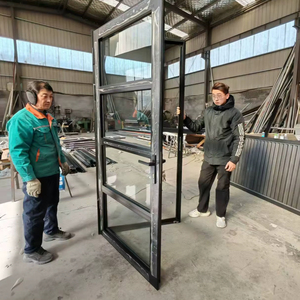
Our workshop houses 3 automated CNC machining centers, precision double-head cutting saws, and automated corner-crimping equipment operated by 150+ master craftspeople delivering high precision.
Every unit is wrapped in protective PE film, corner guards, bubble wrap, and crated in fumigation-free plywood boxes, backed by container shock isolation for safe international transit.
Our Foshan manufacturing ecosystem allows us to support real estate developers, window dealers, and general contractors worldwide with complete custom door schedules, shop drawing approvals, and technical support.
Direct technical and operational answers to common questions asked by importers, architects, and project managers before placing custom production orders.
Our aluminium window and door systems are independently tested and certified for international market compliance. This includes CE certification under EN 14351-1 for European countries, AS2047 and AS1288 testing reports for Australia/New Zealand (covering air infiltration, water penetration resistance up to 450Pa, and ultimate strength), and ASTM standards for hurricane impact resistance in North America.
We accommodate both custom single-villa luxury entrance projects and high-volume commercial multi-family developments. Our baseline MOQ is flexible depending on profile finish choices. Typical production lead time is 25 to 35 calendar days following final CAD shop drawing sign-off and color sample approval.
Thermal break aluminium doors outperform timber and steel across structural stability, maintenance, and durability. Unlike wood, aluminum will never warp, swell, rot, or twist due to moisture exposure. Unlike steel, aluminum is naturally corrosion-resistant and does not rust. When equipped with PA66GF25 polyamide thermal breaks and insulated double glazing, aluminium entry doors achieve comparable thermal insulation metrics while offering superior wind pressure resistance and zero maintenance overhead.
Yes. Because we manufacture utilizing insulated thermal break profiles assembled in-house, we can finish exterior extrusions with weather-resistant PVDF fluorocarbon paint or Qualicoat powder coating in any RAL code, while applying a completely different interior finish—such as custom anodized shades, matte black, or 3D sublimated wood-grain textures—to complement internal decor.
Every fabricated door unit undergoes a 5-layer protective packing protocol: (1) Anti-scratch protective surface tape, (2) PE plastic film wrapping, (3) High-density EPDM foam corner protection, (4) Honeycomb cardboard shock absorption, and (5) Custom-built fumigation-free plywood crates. Crates are mechanically anchored inside freight containers with heavy-duty polyester strapping and structural timber bracing to prevent shifting during transit.
Upon receiving your architectural schedule or rough opening dimensions, our dedicated technical engineering team provides comprehensive 2D CAD shop drawings detailing profile cross-sections, thermal bridge alignments, anchorage details, threshold heights, glass build-ups, and hardware placement. Fabrication only begins after explicit client sign-off on shop drawings.
Get in touch with our engineering specialists today to receive custom CAD shop drawings, technical performance recommendations, and direct factory quotation for your project.
Send an Inquiry

