
Executive Sourcing Overview: Architectural aluminum door systems have evolved from simple spatial dividers into engineered, ultra-high-performance envelope components. Selecting top-tier aluminium room door manufacturers and suppliers requires rigorous technical scrutiny of alloy temper grades, thermal break structural integrity, acoustic transmission loss (STC ratings), dynamic hurricane wind-load resistance, and long-term surface treatment resilience. This industry whitepaper analyzes global procurement benchmarks, engineering specifications, and strategic supplier capabilities to assist architects, commercial developers, and industrial importers in executing flawless procurement projects.
Explore our factory-engineered door systems manufactured in Foshan, engineered to comply with strict international building codes including AS2047, CE, and NFRC standards. Every system features high-tensile 6063-T6 aluminum extrusion profiles, multi-point locking security, and advanced thermal/acoustic barrier integration.
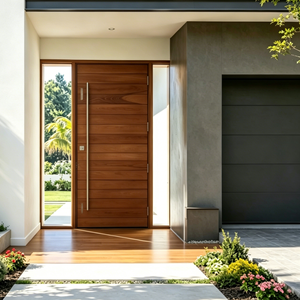
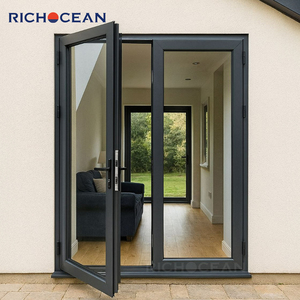
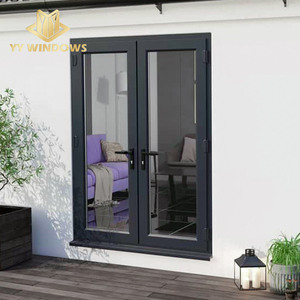
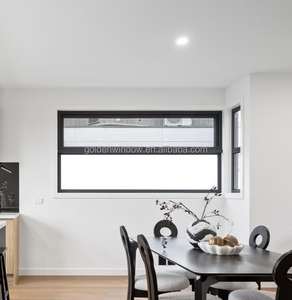
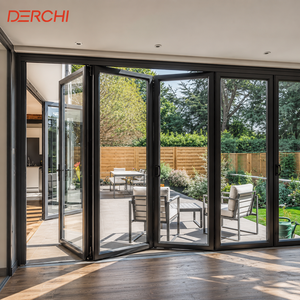
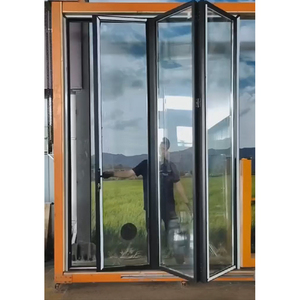
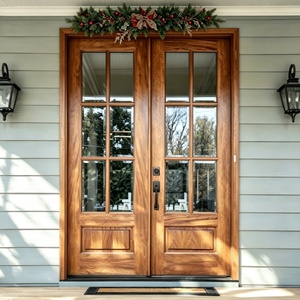
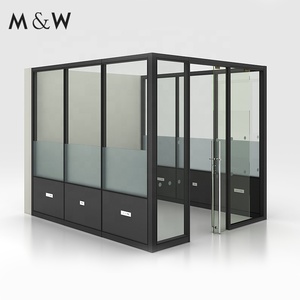
Based in Foshan, China—the world’s premier architectural aluminum manufacturing cluster—Window Wurx Industry Co., Ltd. (Richocean) has set the gold standard for custom window, door, and curtain wall engineering since 1993. Operating from a modern 20,000 m² automated facility equipped with precision CNC machining centers and automated powder-coating lines, we provide B2B clients with factory-direct OEM/ODM capabilities.
Engineered using high-tensile 6063-T6 aluminum alloys with profile wall thicknesses exceeding 2.0mm for doors. Designed to withstand extreme hurricane pressure ratings (DP60+) and heavy commercial usage cycles without dynamic sagging or frame deformation.
Incorporating imported PA66GF25 (25% glass fiber reinforced polyamide) thermal barriers. Effectively eliminates thermal bridging, driving overall door U-values down to under 1.4 W/m²K when combined with Low-E argon-filled triple glazed units.
Overcoming international transit risks through rigorous 5-layer protective wrapping: protective surface film, EPE foam edge guards, heavy-duty shrink wrapping, fumigation-free solid plywood crates, and internal container bracing for zero-damage arrivals.
When evaluating top aluminum room door manufacturers across Asia, North America, and Europe, procurement teams must analyze systemic metrics rather than basic unit pricing. The comparison table below highlights key parameters engineered by tier-1 suppliers:
| Engineering Criteria | Tier-1 Factory Standard (Window Wurx) | Standard Commodity Supplier | Impact on Project Value |
|---|---|---|---|
| Alloy Base & Temper | 6063-T6 Primary Ingot Aluminum | Recycled / Mixed Scrap Aluminum | High structural rigidity, flawless anodizing surface finish, long-term anti-corrosion. |
| Thermal Insulation | PA66GF25 Structural Nylon Strip (Multi-cavity) | Generic PVC / Single Cavity Strip | Prevents condensation, reduces HVAC energy losses up to 35%, lowers carbon footprint. |
| Acoustic Rating (STC) | STC 40 - 45 dB (Acoustic Laminated Glass) | STC 25 - 28 dB (Standard Single/Double Glass) | Critical for luxury residential villas, luxury hotels, and executive office partition walls. |
| Surface Coating Spec | AAMA 2605 Fluorocarbon PVDF / AkzoNobel Powder | Standard Non-Standard Spray Paint | Guarantees 20+ years UV resistance without chalking, color fading, or salt-spray peeling. |
| Testing Compliance | AS2047, CE, NFRC, ISO9001 Certified | Self-declared unverified testing | Seamless building code approval across USA, Australia, EU, and Middle East regions. |
The international procurement landscape for architectural door systems is undergoing a monumental shift driven by stringent global energy efficiency standards, advanced architectural design preferences, and smart building integration. B2B buyers must align their supply chain strategies with these critical emerging trends:
Global commercial project specifications increasingly mandate Environmental Product Declarations (EPDs). Leading manufacturers are transitioning to low-carbon primary aluminum smelted using renewable hydropower and maximizing closed-loop scrap recycling. Procuring doors with certified low embodied carbon gives developers a decisive edge in acquiring LEED and BREEAM green building certifications.
Modern minimalist architecture demands invisible frame profiles with expanded glass surface areas. Future aluminum room door systems utilize hidden frame casements, flush-threshold sliding tracks, and structural silicone bonding. This allows room doors and exterior patio systems to maximize natural daylighting while maintaining thermal enclosure ratings.
Traditional mechanical locks are rapidly being replaced by integrated smart access hardware. Top suppliers now pre-engineer door leaves to conceal electronic multi-point motorized locks, biometric fingerprint sensors, RFID readers, and smart home automation bus interfaces directly within the aluminum profile stiles during factory assembly.
With rising climate volatility and urban density, room and entrance doors require multi-hazard resistance. Next-generation systems feature double-continuous EPDM weatherstripping gaskets, pressure-equalized drainage sub-frames, and laminated acoustic interlayers capable of blocking ambient noise up to 45 decibels while resisting hurricane missile impacts.
To maintain a competitive advantage, leading manufacturers are investing heavily in advanced materials science and automated manufacturing techniques. Understanding these technical elements allows buyers to audit factory capabilities effectively:
Connect directly with our engineering team in Foshan. Send your architectural drawings, door schedules, or tender requirements for rapid technical evaluation and direct factory pricing.
Send an Inquiry