
In contemporary architectural engineering, selecting the right partner from the Top 10 Aluminium Tilt Turn Windows Supplier & Suppliers is a pivotal decision for commercial project managers, real estate developers, and facade contractors. Dual-action tilt-turn windows represent the pinnacle of European fenestration technology, combining inward-tilting top ventilation with fully inward-swinging side opening. Achieving structural integrity, low solar heat gain coefficients (SHGC), and superior air tightness requires precision engineering that only elite manufacturers can provide at scale.
This procurement guide evaluates high-performance fenestration systems based on core technical criteria: multi-chambered thermal break profile geometry, extruded alloy density (6063-T5 vs. T6), EPDM triple-gasket sealing systems, and structural wind resistance. As global building codes tighten around operational carbon emissions, top-tier suppliers are shifting from basic aluminum fabrications to holistically engineered fenestration envelopes capable of meeting Passive House standards (Uw ≤ 0.8 W/m²K).
Explore our enterprise portfolio of certified aluminum profiles, engineered for extreme weather endurance, structural stability, and thermal efficiency. Each product seamlessly integrates with modern architectural specifications.
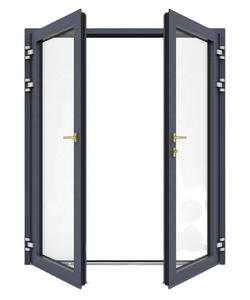
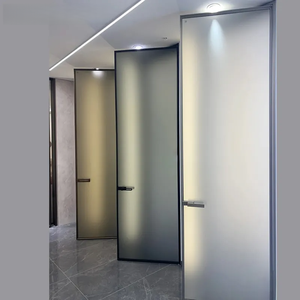
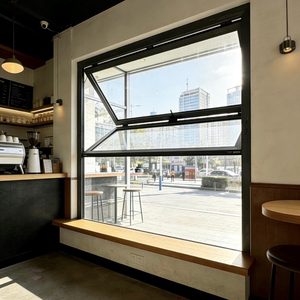
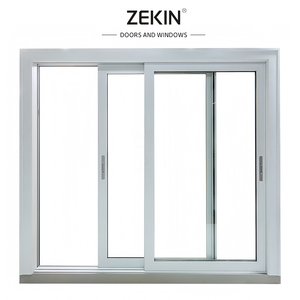
Evaluating the global market for high-volume aluminum window manufacturing requires looking beyond simple per-square-meter pricing. True engineering value is defined by component specs and manufacturing tolerances. When conducting technical audits across the Top 10 Aluminium Tilt Turn Windows Supplier & Suppliers, enterprise procurement teams prioritize four core parameters:
High-grade 6063-T5 or T6 architectural aluminum alloys serve as the backbone. Primary billets guarantee structural wall thickness compliance (≥ 1.8mm for windows, ≥ 2.0mm for heavy-duty doors), maintaining rigid stability under high wind pressures (up to 5000 Pa).
Inferior systems use PVC thermal barriers that degrade under UV light and thermal expansion. World-class tilt-turn profiles utilize PA66-GF25 (Polyamide 66 reinforced with 25% glass fiber) insulating strips to eliminate thermal bridging and resist warping.
Tilt-turn functionality relies on multi-point perimeter gearboxes (such as Roto, Siegenia, or G-U). Premium hardware supports sash weights up to 150kg while delivering burglar resistance ratings up to RC2/RC3 under EN 1627 standards.
Furthermore, dual-stage pressure equalization channels combined with continuous EPDM (Ethylene Propylene Diene Monomer) gasket loops ensure water tightness performance exceeding EN 12208 Class 9A standards. By eliminating mechanical fasteners inside the drainage path, top suppliers prevent micro-corrosion and internal frame condensation over extended service lifetimes.
The architectural fenestration sector is undergoing rapid transformation driven by carbon neutrality mandates, smart home integration, and modern architectural aesthetics. B2B buyers looking to future-proof their supply chains should monitor these four pivotal technical developments:
Leading European and Asian suppliers are adopting low-carbon primary billets smelted using renewable hydro-energy, alongside post-consumer recycled aluminum content (≥ 75%). Specifying low-carbon aluminium windows significantly reduces embodied carbon in commercial envelope construction, supporting LEED Gold and BREEAM Outstanding certifications.
Minimalist architectural trends demand maximum glass surface areas with ultra-slim visible frame widths. Next-generation tilt-turn windows feature fully concealed hinges integrated directly into the sash rebate groove. This hidden hardware geometry delivers a clean interior visual while improving perimeter EPDM seal continuity for enhanced acoustic damping (up to Rw = 45 dB).
Tilt-turn mechanics are increasingly paired with concealed chain actuators and motorized locking gearboxes. Connected directly to Building Management Systems (BMS), these windows automatically tilt open during cool night hours for passive thermal flushing, reducing HVAC energy consumption by up to 18% in commercial installations.
Standard double glazing is rapidly giving way to high-performance triple glazing (e.g., 6mm Low-E + 12Ar + 6mm Clear + 12Ar + 6mm Low-E) featuring argon gas fill ratios exceeding 90%. Coupled with composite warm-edge spacer bars (such as Technoform or Swisspacer), perimeter edge heat loss is reduced by over 60% compared to legacy aluminum spacer bars.
Procuring structural glazing and aluminum tilt-turn systems from international manufacturing hubs—specifically Foshan, China—has shifted from a purely cost-driven model to a strategic partnership model focused on technological co-development and logistical efficiency. Key procurement trends include:
Headquartered in Dali Town, Foshan—China’s premier aluminum manufacturing cluster—Window Wurx Industry Co., Ltd. has established itself as an authoritative leader in high-performance fenestration systems since 1993. Serving international architects, commercial general contractors, and hardware distributors, our facility combines European manufacturing discipline with direct factory pricing.
Housing 3 automated CNC cutting and corner-crimping production lines staffed by over 150 certified technicians for consistent product output.
Independently tested for acoustic insulation, water tightness, wind load resistance, and overall thermal transmittance across global markets.
From thermally broken tilt-turn windows and narrow-frame sliding patio doors to custom sunrooms, skylights, and structural unitized curtain walls.
In-house architectural engineers supply AutoCad and Revit BIM models, structural calculations, and glass stress analysis for project approval.
Contact our architectural engineering team to discuss window schedules, thermal calculations, CAD detailing, or custom dealership pricing for your upcoming commercial projects.