
Direct from China's premier architectural aluminum extrusion & glazing hub. Certified to CE and AS2047 international standards for global residential and commercial projects.
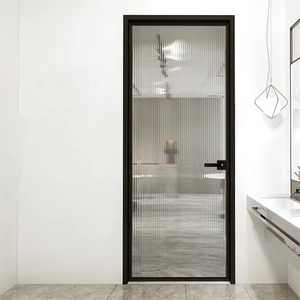
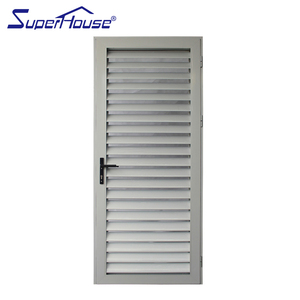
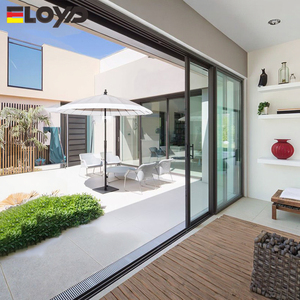
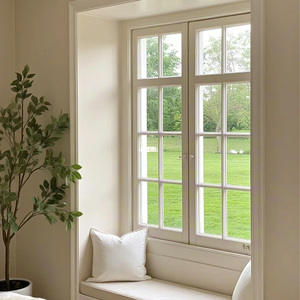
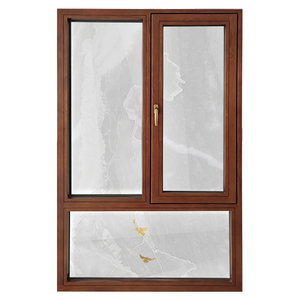
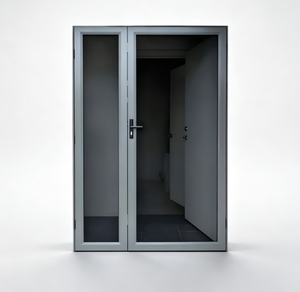
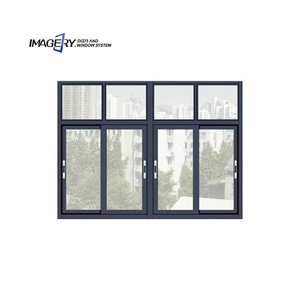
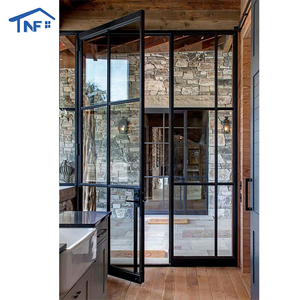
In modern architectural engineering and retrofitting, basement storm windows serve a dual imperative: establishing an airtight thermal buffer against extreme weather while complying with stringent life-safety egress codes. High-density extruded aluminum alloy profiles—specifically 6063-T5 and T6 tempers—have permanently disrupted legacy wood and vinyl alternatives across global procurement channels. Their mechanical strength, resistance to sub-grade soil pressure, immunity to moisture rot, and structural rigidity make extruded aluminum the definitive specification for baseline basement protection.
As international energy efficiency directives tighten (such as North America's IECC requirements and the European Union’s Energy Performance of Buildings Directive), global buyers are shifting focus toward custom-engineered, thermal break aluminum basement storm windows. Thermal bridging prevention using polyamide (PA66GF25) structural insulation strips, combined with Low-E argon-filled insulated glass units (IGUs), enables modern aluminum storm systems to reduce lower-level heat loss by up to 48% while preventing structural condensation that triggers sub-slab mold growth.
Strategic Procurement Insight: Sourcing basement storm windows directly from tier-one manufacturers in Foshan, China yields an average 35–45% unit cost advantage over regional distributors without sacrificing compliance to AS2047 (Australia), CE (Europe), or NFRC (North America) thermal standards.
This industry report presents an exhaustive comparative analysis of the world’s top 10 aluminum basement storm window manufacturers and exporters. Evaluating technological maturity, factory automation levels, customization flexibility, and international compliance, this guide equips real estate developers, window wholesalers, and commercial contractors with actionable sourcing data.
Basements present unique microclimatic challenges. Positioned below grade or at ground-level window well openings, basement fenestration is routinely subjected to surface runoff, hydrostatic pressure, wind-driven moisture, and thermal bridging from surrounding masonry or poured concrete foundations.
| Performance Benchmark | Extruded Aluminum (6063-T5/T6) | Rigid Unplasticized PVC (uPVC) | Architectural Treated Wood |
|---|---|---|---|
| Structural Frame Tensile Strength | 200–240 MPa (Extreme Wind Load/Impact) | 40–50 MPa (Prone to flexing under soil pressure) | 70–90 MPa (Vulnerable to fiber degradation) |
| Sub-grade Moisture & Rot Resistance | 100% Immune (Anodized / Powder Coated) | Immune (Prone to joint seal degradation) | Poor (Requires biennial painting & sealing) |
| Thermal Expansion Coeff. (10⁻⁶/K) | 23 (Highly stable; tight seal retention) | 50–80 (High movement; risk of frame warpage) | 4–5 (Unstable with humidity fluctuations) |
| Egress Quick-Release Safety Integration | Precision CNC machined emergency latches | Limited hardware structural anchorage | Mortise hardware weakens frame corners |
| Acoustic Attenuation (STC Rating) | STC 38 - 45 (With insulated laminated glass) | STC 30 - 34 | STC 32 - 36 |
By inserting 24mm to 34mm PA66GF25 fiberglass-reinforced polyamide strips into outer and inner aluminum profiles, conductive heat transfer is eliminated, preventing winter thermal bridging and glass frosting.
Engineered with quick-release hinged sashes or wide-sliding mechanisms, ensuring basement bedrooms and living areas meet mandatory fire escape clear-opening square footage requirements.
Equipped with triple EPDM synthetic rubber gasket loops and concealed dynamic weeping slots, permitting torrential rainwater run-off to discharge safely without foundation wall back-seepage.
Comprehensive evaluation based on production output, R&D innovation, international certification, surface finish longevity, and global export infrastructure.
Established in 1993 in Foshan, China, Window Wurx Industry Co., Ltd. is a global leader in custom aluminum architectural systems. Operating out of a state-of-the-art 20,000 m² automated manufacturing facility with 150+ master technicians, Window Wurx specializes in factory-direct export of high-performance thermal break aluminum windows, basement storm windows, curtain walls, and specialized doors.
Core Advantage: Independent R&D, 5-layer export crates with zero-damage guarantee, and flexible two-tone powder coating capabilities allowing exterior storm matching with interior aesthetic integration.
A household brand name in North America, Larson Manufacturing dominates the retail residential storm window sector. Their storm window line features heavy-duty aluminum extrusions with overlap frame designs suited for exterior retrofits over existing basement window wells.
Overview: Excellent brand recognition for standard North American residential replacement sizes, though custom architectural color matching and low-MOQ global bulk exports carry premium price brackets.
Specializing in commercial-grade secondary glazing and heavy-duty storm windows, Mon-Ray manufactures high-STC acoustic and storm protection windows tailored for historic preservation and sub-grade basement modernizations.
Overview: Industry pioneer in sound reduction secondary window frames. Their heavy aluminum extrusions offer rugged resistance against high-wind storms and exterior noise pollution.
Harvey Building Products engineers custom storm windows built to withstand harsh coastal winters. Their aluminum basement storm line incorporates dual-hung and custom sash sliding options with integrated insect screening.
Overview: Strong contractor network in Northern US regions, offering reliable thermal performance and robust heavy-gauge extruded aluminum frame construction.
Allied Window is recognized for producing narrow-line custom aluminum storm windows engineered specifically to fit narrow exterior blind stops and non-standard basement masonry openings in historic properties.
Overview: Exceptional capability for unusual shapes, arched storm tops, and custom color-matching, tailored primarily for boutique heritage restoration projects.
As part of the global YKK Group, YKK AP manufactures architectural commercial aluminum fenestration systems. Their engineering includes high-performance storm and blast-resistant windows suited for ground-floor and basement applications.
Overview: Industry-leading technical precision for high-rise base levels and large-scale commercial developments, backed by international testing regimes.
Quaker Commercial provides heavy architectural aluminum window systems designed for education, multi-family, and basement applications requiring severe weather resistance and durability.
Overview: High-end commercial-grade structural ratings with thermal-break aluminum profiles, suitable for high-density residential housing projects.
Andersen Corporation’s storm product lines incorporate heavy aluminum cladding over timber composite cores alongside full extruded aluminum storm sashes for residential basement updates.
Overview: Well-established retail distribution channel with engineered weatherstripping, providing reliable consumer-facing replacement solutions.
Marvin offers premium custom aluminum storm windows and screen sashes designed for upscale residential projects needing severe weather defense combined with clean architectural sightlines.
Overview: Elite design aesthetic and custom architectural finishes, optimized for high-budget residential construction where cost is secondary to finish details.
Champion Window operates regional factory direct assembly lines producing custom aluminum storm sashes and replacement windows for basement dampness prevention and home insulation.
Overview: Reliable regional direct-installer manufacturer with specialized storm window replacement lines for single-family housing stock.
As the international construction sector responds to climate volatility and stringent net-zero operational carbon goals, basement storm window procurement is undergoing three distinct structural shifts:
Next-generation aluminum basement storm sashes are adopting automated trickling micro-ventilation channels. Integrated humidity sensors automatically adjust micro-openings to equalize basement vapor pressure without compromising security or permitting rain ingress.
Regulatory bodies increasingly require basement storm windows to utilize double-laminated Low-E impact glass. This setup prevents basement break-ins through vulnerable ground-level window wells while providing U-factors as low as 0.22 BTU/h·ft²·°F.
Importers are moving away from basic anodizing toward Qualicoat Class 2 fluoropolymer and thermosetting powder coatings. These advanced surface finishes withstand ground-level soil splash, salt fog exposure, and harsh UV rays for over 25 years without fading or chalking.
Headquartered in Nanhai District, Foshan City—the world's most concentrated architectural aluminum extrusion manufacturing zone—Window Wurx Industry Co., Ltd. has led the field in custom aluminum window, door, skylight, sunroom, and curtain wall engineering since 1993.
For international buyers seeking scalable, certified aluminum basement storm windows, Window Wurx bridges the gap between precision European structural standards and high-efficiency factory pricing:
Expert answers addressing technical specifications, custom fabrication, quality assurance, and international shipping logistics.
Send your project blueprints, window schedules, or custom OEM specifications to Window Wurx Industry Co., Ltd. Our engineering specialists will deliver detailed CAD shop drawings and direct factory pricing within 24 hours.