
Explore benchmark-certified exterior door configurations manufactured to CE, AS2047, and North American NFRC performance criteria.
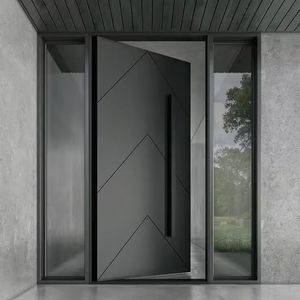
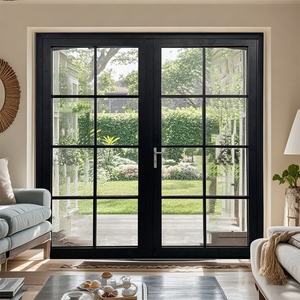
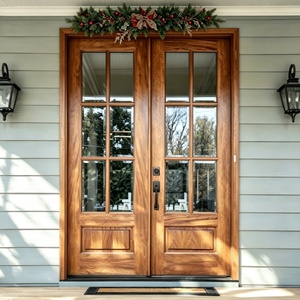
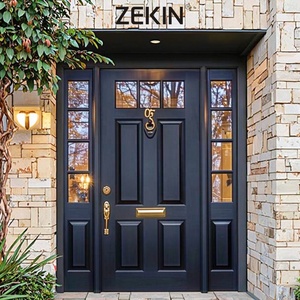
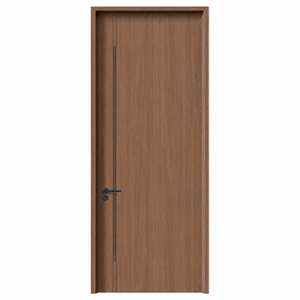
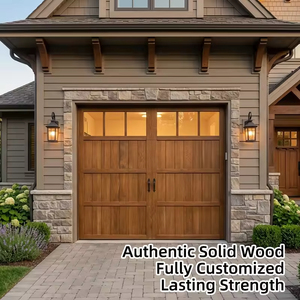
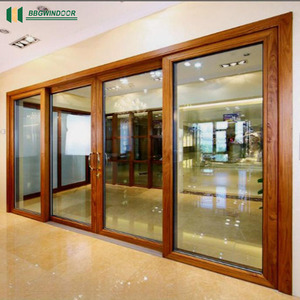
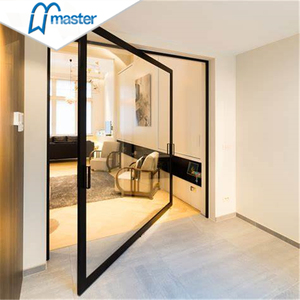
In modern high-end architectural engineering, specifying exterior opening systems requires a precise balance between environmental resilience, indoor acoustic comfort, and long-term structural integrity. Traditional solid timber exterior doors present high aesthetic value but suffer from warping, moisture expansion, and high maintenance costs when exposed to aggressive weather. Conversely, standard unclad aluminum doors can present thermal bridging challenges and lack the warm internal ambiance demanded by modern luxury residential and high-end commercial projects.
The Aluminum-Clad Exterior Door system represents the technical apex of fenestration engineering. By structurally coupling a high-extrusion aluminum exterior shield (typically 6063-T6 alloy) with a interior timber profile (such as North American White Oak, Siberian Larch, or Teak) via pressure-equalized nylon clips, manufacturers achieve an weather-proof exterior with a rich interior tactile experience.
This technical whitepaper provides B2B buyers, architectural specifiers, developers, and global importers with an authoritative evaluation framework for selecting high-gain aluminum clad exterior door factories and direct suppliers, focusing on technical compliance, manufacturing automation, and supply chain risk mitigation.
A technical breakdown of raw material grades, thermal breaks, and structural glass integration required for high-tier building codes.
The exterior aluminum cladding serves as the primary barrier against UV radiation, driving rain, and mechanical impact. Top-tier factories utilize strictly virgin 6063-T6 architectural alloy with wall thicknesses exceeding 2.0mm to ensure structural load capacity up to DP70 design pressure.
Surface treatments must conform to AAMA 2605 specifications, employing PVDF fluorocarbon coatings to withstand salt spray testing (ASTM B117) for over 4,000 hours without chalking or fading.
To eliminate thermal conduction between the interior wood core and the exterior aluminum skin, premium doors feature 24mm to 34mm Polyamide PA66 strips reinforced with 25% glass fiber. This matches the thermal expansion coefficient of aluminum while providing a total U-factor as low as 0.85 W/m²K when combined with argon-filled triple insulating glass.
Continuous EPDM (Ethylene Propylene Diene Monomer) gasket lines maintain elasticity under extreme temperatures (-40°C to +120°C). Dual and triple corner-vulcanized sealing gaskets eliminate air infiltration (EN 12207 Class 4) and water penetration (EN 12208 Class E1050), ensuring airtight performance under hurricane conditions.
Direct performance data comparison across key engineering metrics for procurement decision-making.
| Performance Metric | Aluminum Clad Wood Systems | Standard Unclad Thermal Aluminum | Solid Hardwood Doors | Technical Benchmark Standard |
|---|---|---|---|---|
| Thermal Transmittance (U-Value) | 0.80 - 1.20 W/m²K | 1.40 - 2.20 W/m²K | 1.50 - 1.90 W/m²K | ISO 10077-2 / NFRC 100 |
| Acoustic Insulation (STC / Rw) | STC 40 - 48 dB | STC 32 - 38 dB | STC 30 - 35 dB | ASTM E90 / ISO 10140 |
| Exterior Maintenance Interval | 25+ Years (Zero Paint) | 15+ Years (Anodized/PVDF) | 2 - 3 Years (Sanding/Varnish) | AAMA 2605 High Durability |
| Structural Resistance (Design Pressure) | DP60 - DP90 (Hurricane Rated) | DP45 - DP70 | DP30 - DP45 | ASTM E330 / AS2047 |
| Air Permeability | Class 4 (Airtight Sealed) | Class 3 - 4 | Class 2 - 3 | EN 12207 / AAMA 101 |
Market projections for smart door hardware integration, carbon-neutral manufacturing, and ultra-large architectural spans.
Procurement demands are shifting heavily toward fully integrated smart access controls. Leading suppliers are moving away from traditional mechanical locks toward motorized multi-point locking systems (such as Siegenia Genius or GU Automatic) that seamlessly connect with modern building automation systems (KNX, Crestron, Matter protocol).
Biometric fingerprint scanners, facial recognition modules, and hidden magnetic contact sensors are now structurally pre-milled into the aluminum frame profile during factory production, eliminating on-site modification risks.
Architectural design language emphasizes seamless indoor-outdoor transitions. Procurement trends favor heavy-duty pivot mechanisms capable of handling sash weights up to 800 kg (1,760 lbs) and sash heights exceeding 4.5 meters.
Structural silicone glazing (SSG) techniques allow wood-clad aluminum frames to feature hidden frame profiles where the exterior glass panel extends directly to the wall opening, maximizing daylighting while maintaining thermal breaks.
Global environmental regulations, particularly in the European Union (CBAM) and North America (LEED v4.1), are forcing commercial builders to verify embodied carbon. Importers are requiring suppliers to provide verified Environmental Product Declarations (EPD).
Leading factories are adopting recycled low-carbon aluminum billets (processed via hydropower) alongside FSC-certified (Forest Stewardship Council) timber harvested from sustainably managed forests, using non-toxic waterborne wood stains.
As extreme weather events become more frequent, regional building codes require higher design pressures. Exterior clad doors are now standardized for hurricane zones (Miami-Dade NOA standard, ASTM E1996 large missile impact) and severe bushfire zones (BAL-40 rating in Australia).
Factories capable of combining high-strength laminated security glass (SentryGlas interlayers) with reinforced heavy-gauge aluminum extrusion systems hold a distinct competitive edge.
Why Tier-1 contractors, architects, and global distributors partner with our Foshan manufacturing complex.
Operating from Dali Town, Foshan — China's premier aluminum processing hub — Window Wurx has evolved over three decades into an integrated R&D and production powerhouse. We understand site tolerances, structural load requirements, and international code reviews inside out.
Equipped with German CNC double-head cutting machines, digital corner crimping lines, and automated glass assembly units, our facility produces over 150,000 square meters of high-performance architectural systems annually with tight quality control.
Our aluminum clad windows and door systems undergo rigorous testing by accredited third-party laboratories. Products carry CE compliance for Europe and AS2047 certification for Australia/New Zealand, backed by comprehensive test reports.
Every order is manufactured to exact CAD shop drawings. We offer specialized dual-color anodizing and powder coating, allowing developers to match exterior cladding to exterior facades while selecting custom wood stains (waterborne eco-coatings) for interior woodwork.
To eliminate maritime shipping damage, every door leaf and frame is protected with PE protective film, foam corner guards, vacuum wrap, and packed inside non-fumigation plywood crates braced with steel container straps.
We provide global distributors, project managers, and importers with direct factory pricing without intermediary markups, supported by comprehensive technical documentation, BIM models, and dedicated engineer assistance.
Addressing the core technical, logistical, and quality assurance queries raised by international project buyers.
Connect with Window Wurx technical specialists for direct factory quotes, CAD drawing reviews, and custom product samples tailored to your commercial or luxury residential developments.