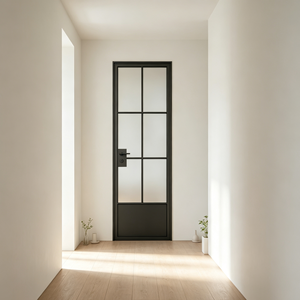

Precision-engineered thermal break profiles, hurricane-impact glazing, and architectural folding door configurations manufactured to strict ISO, CE, and AS2047 international benchmarks.
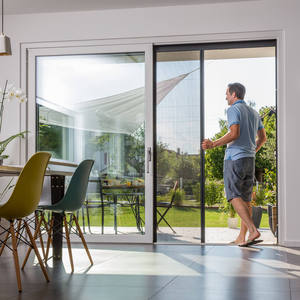
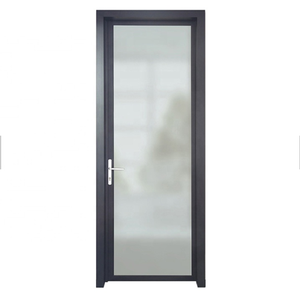
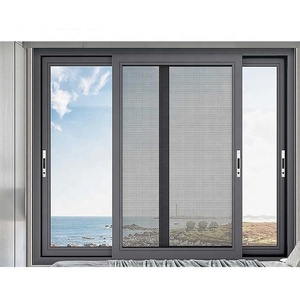
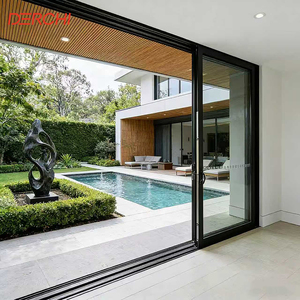
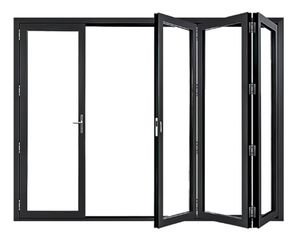
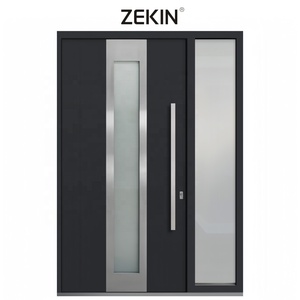
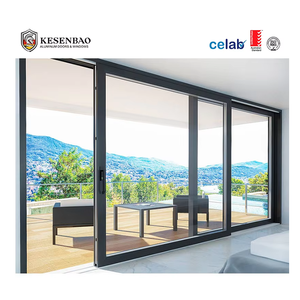
In contemporary commercial and high-end residential construction, specifying the optimal window frame and fenestration package is no longer purely an aesthetic consideration. It is an engineering discipline governed by rigorous thermal efficiency targets (U-factors), structural wind load pressures (Pa rating), acoustic attenuation metrics (STC/Rw), and long-term durability standardizations. For international procurement managers, real estate developers, and architectural contractors, selecting from the premier aluminum double glazed windows suppliers requires a deep understanding of manufacturing tolerances, structural aluminum alloy grades, and insulating glass unit (IGU) chemistry.
The global demand for high-performance double-glazed aluminum systems is accelerating due to stringent building energy codes such as Europe's EPBD (Energy Performance of Buildings Directive), Australia's NCC/NatHERS requirements, and North America's IECC standards. Non-thermal break aluminum frames are rapidly being phased out in favor of polyamide thermal barrier extrusions capable of achieving overall window U-values below 1.4 W/m²K when combined with Low-E double glazing units.
Modern double glazing consists of two tempered or laminated glass panes separated by a hermetically sealed air space filled with inert Argon gas (90%+ purity). The primary seal uses polyisobutylene (PIB) to prevent moisture ingress and gas escape, while a structural secondary silicone seal ensures frame rigidity. Combined with warm-edge composite spacers (e.g., Technoform or Swisspacer), thermal bridging along the pane perimeter is reduced by up to 65% compared to conventional aluminum spacers.
When auditing potential global aluminum window suppliers and B2B manufacturing partners, procurement teams must look beyond superficial pricing and evaluate structural capabilities across five critical pillars:
Top suppliers utilize 6063-T5 or 6063-T6 architectural grade aluminum alloys with profile wall thicknesses exceeding 1.4mm for windows and 2.0mm for heavy-duty doors, ensuring resistance against deflection during peak storm pressure.
Evaluation of PA66-GF25 (25% fiberglass reinforced polyamide) thermal break strips. Inferior PVC strips degrade under UV exposure and high thermal cycles, leading to structural separation.
Verification of third-party lab testing including AS2047 (Australia), CE EN14351-1 (Europe), and NFRC/AAMA (USA) for water penetration resistance, air infiltration, and ultimate strength.
An engineering matrix outlining thermal, acoustic, and structural performance parameters across common window and door system specs.
| System Category | Frame Type | Glass Configuration | U-Factor (W/m²K) | Acoustic Rating (STC) | Optimal Application |
|---|---|---|---|---|---|
| Standard Double Glazed | 6063-T5 Non-Thermal Break | 5mm Clear + 12Ar + 5mm Clear | 2.8 – 3.2 | 30 – 32 dB | Mild Climates / Low-budget Residential |
| Thermal Break Casement | 6063-T5 Thermal Break (PA66) | 6mm Low-E + 12Ar + 6mm Toughened | 1.4 – 1.8 | 35 – 38 dB | High-Performance Residential / Urban |
| Passive House Certified | Multi-Chamber Thermal Break | 6mm Low-E + 16Ar + 6mm + 16Ar + 6mm | 0.8 – 1.1 | 40 – 44 dB | Extreme Cold/Hot Climates / Net-Zero |
| Hurricane Impact System | Heavy-Duty 2.2mm Profile | 6mm Toughened + 12Ar + 6.76mm SGP Laminated | 1.6 – 2.0 | 38 – 42 dB | Coastal Cyclone / High-Rise Zones |
Architectural preference is shifting decisively toward ultra-slim profile frames (interlock sightlines under 20mm) that maximize natural daylighting while hiding structural frames within wall cavities. Engineering pocket sliding doors and hidden frame casements require high-tensile extrusions to manage wind load without expanding frame widths.
Global developers are requiring Environmental Product Declarations (EPDs) for aluminum fenestration. Sourcing window frames fabricated using low-carbon primary aluminum (smelted via hydropower) or post-consumer recycled aluminum (up to 75% recycled content) significantly reduces embodied carbon in building envelopes.
Integration of concealed motorized actuators controlled via building management systems (BMS), smart home automation, and electrochromic dynamic glass is transitioning from luxury pilot projects into standard commercial specifications for automated climate control and passive cooling.
Headquartered in Foshan, Guangdong—China's world-renowned aluminum manufacturing cluster—Window Wurx Industry Co., Ltd. has established itself as an authoritative global manufacturer of customized aluminum windows, doors, skylights, sunrooms, and curtain wall systems since 1993.
Operating a 20,000 m² automated production workshop staffed by over 150 skilled fabricators and engineers, operating 3 automated production lines to reliably support multi-unit developments and custom luxury villas alike.
Every unit is manufactured strictly to architectural shop drawings. Advanced powder coating and fluorocarbon (PVDF) lines enable specialized two-tone surface finishes—matching exterior elevation colors while complementing interior decor.
To eliminate transit damage over long-distance sea freight, products undergo individual protective film wrapping, corner guards, air-cushioned padding, and fumigation-free wooden crate enclosure for seamless customs clearance.
Direct insights addressing common technical, regulatory, and logistics questions from international project procurement managers.
Send your architectural drawings, window schedules, or project specifications to our engineering design team. Receive a comprehensive technical proposal and competitive factory quotation within 24 hours.