
Factory-direct structural aluminum window assemblies engineered for thermal break efficiency, extreme weatherproofing, and export durability.
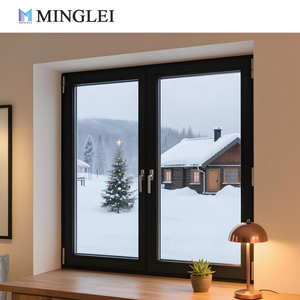
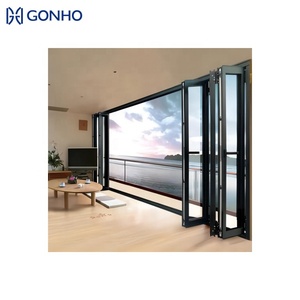
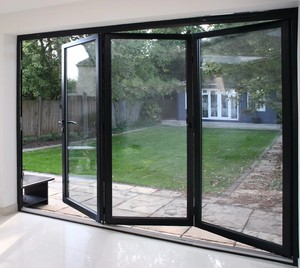
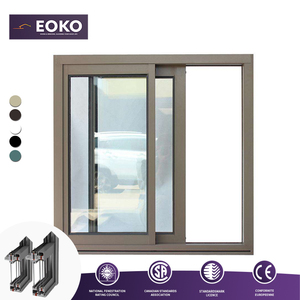
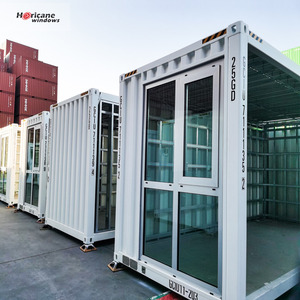
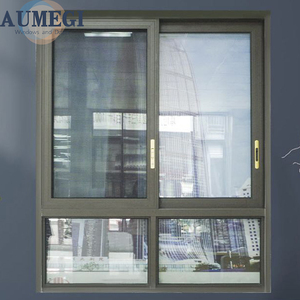
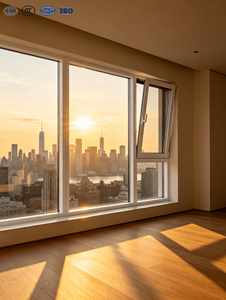
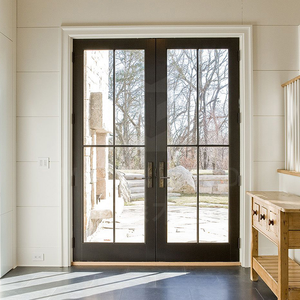
The global mobile home, prefabricated structure, and container housing industries are undergoing an unprecedented architectural metamorphosis. Historically considered lightweight, temporary structures fitted with single-pane vinyl frame units, modern mobile structures have evolved into high-performance, permanent-grade residential and commercial spaces. Central to this evolution is the specification of advanced extruded aluminum window systems.
Architectural aluminum alloys (specifically 6063-T5 and 6063-T6) present structural yield strengths that far surpass traditional uPVC or thin-gauge vinyl. For mobile and transportable homes, windows are subject to dynamic torsional stress during over-the-road transport and extreme racking forces during crane lifts. Aluminum window profiles provide the structural rigidity required to prevent seal rupture, frame twisting, and glass shear failure.
Information Gain Insight: Standard mobile home vinyl windows exhibit thermal expansion coefficients roughly 3.5 times higher than architectural aluminum. When mobile units face dramatic ambient temp swings, vinyl sashes warp, compromising airtightness. Precision-engineered aluminum profiles with polyamide thermal breaks maintain dimensional tolerance from -40°C to +80°C.
| Profile Specification | Standard Vinyl (uPVC) | Commercial Grade Non-Thermal Aluminum | Thermal Break Architectural Aluminum (Window Wurx Standard) |
|---|---|---|---|
| Frame Tensile Strength | 160 - 200 MPa | 230 - 270 MPa | 295+ MPa (6063-T6) |
| Overall U-Value (W/m²·K) | 2.2 - 2.8 | 3.8 - 4.5 | 1.1 - 1.6 (Low-E Double/Triple) |
| Torsional Resistance (Transport) | Low (Risk of seal degradation) | High | Maximum Rigidity |
| Air/Water Tightness Rating | Class 2 / 300 Pa | Class 3 / 450 Pa | AS2047 / CE Class 4 (600+ Pa) |
| Design Life Span | 10 - 15 Years | 25+ Years | 40+ Years |
Evaluating window suppliers for mobile housing projects demands rigorous scrutiny beyond unit price. Commercial procurement directors must examine engineering versatility, regulatory compliance (such as Australia’s AS2047, European CE, and US NFRC standards), factory floor automation, and export packaging integrity. Below is the technical breakdown of the industry's top 10 manufacturing enterprises leading the market in 2025.
Primary Specialization: Custom Thermal Break & Soundproof Mobile/Container Home Systems
Established in 1993 in Foshan (China's aluminum capital), Window Wurx operates a 20,000 m² automated facility. Renowned for zero-defect export packaging and tailored OEM solutions engineered specifically for modular framing constraints. Certified to AS2047, CE, and ISO9001.
Primary Specialization: Standardized HUD-Code Manufactured Housing Windows
A major supplier to North American high-volume mobile home assembly plants, specializing in large-scale standardized vinyl and light aluminum single-hung and horizontal sliding windows tailored to domestic US building codes.
Primary Specialization: Thermally Improved Aluminum Residential Units
Known for contemporary frame profiles, Milgard offers clean sightlines and sealed glass units suitable for luxury modular builds and upscale park model homes throughout the western United States.
Primary Specialization: Ultra-Premium Architectural Aluminum Enclosures
The global benchmark for architectural engineering. While positioning at a higher price tier, Schüco's ultra-insulated systems are chosen for high-end modular resort cabins and energy-plus prefabricated villas in Western Europe.
Primary Specialization: Exterior Building Products for Prefab Structures
A massive manufacturing footprint delivering broad architectural products. Ply Gem offers tailored mobile home replacement series and builder-grade aluminum windows with integral nail fins.
Primary Specialization: Commercial & Heavy-Duty Modular Glazing
Operating plants across North America and Europe, JELD-WEN provides diverse aluminum window options engineered for resistance against harsh environmental exposure, ideal for commercial container applications.
Primary Specialization: Precision Structural Aluminum & Anodized Systems
Japan-headquartered leader celebrated for anodized surface finishing and high-durability hardware. Their institutional systems are frequently specified in modular schools and mobile disaster-relief complexes.
Primary Specialization: Modern Series Clad & Aluminum Architectural Openings
While dominating timber-composite windows, Andersen's 100-series and architectural aluminum-clad solutions cater to upscale custom container homes requiring high aesthetic value and solar heat gain management.
Primary Specialization: Sustainable European Architectural Systems
Reynaers engineers high-performance sliding and tilt-and-turn aluminum windows with thermal breaks, serving European prefab housing developers focused on Passivhaus compliance and low operational carbon footprint.
Primary Specialization: Heavy-Duty Wind-Load & Hurricane-Resistant Openings
Specializing in extruded profile engineering for extreme climates, Alumil supplies international prefabricated project developers operating in coastal, island, and high-velocity hurricane zones.
Why leading global developers, architects, and mobile home importers choose Window Wurx as their strategic manufacturing partner in China.
Every window geometry is calculated via FEA (Finite Element Analysis) for structural deflection. Certified to Australian AS2047 (N6 cyclone rating ready) and European CE EN14351-1 standards, ensuring effortless site inspection clearance globally.
Unlike rigid catalog producers, Window Wurx manufactures 100% to customer shop drawings. Tailor sub-frame depth (50mm to 150mm), wall installation flange placement, hardware selection (German Siegenia/HOPO or custom), and dual-color powder coating.
Transit damage is the biggest risk in cross-border procurement. Window Wurx utilizes a proprietary 5-layer system: protective surface film, EPE foam edge protectors, waterproof plastic wrapping, heavy honeycomb board, and fumigation-free wooden crates.
Energy efficiency standards for mobile and prefabricated structures are tightening globally. The European Union’s Energy Performance of Buildings Directive (EPBD) and various state-level US codes (such as California Title 24) are demanding lower U-factors. Future-proof procurement requires aluminum profiles capable of accommodating 24mm to 36mm insulated glass units (IGUs) filled with Argon gas, featuring double-layer soft-coat Low-E films. VIG technology will soon allow 8mm ultra-thin glass profiles to achieve U-values under 0.6 W/m²·K, perfect for space-constrained container wall cavities.
Site installation labor costs in Western countries have escalated significantly. Factory buyers are demanding window frames designed with integrated structural nailing fins, integrated drip caps, and snap-in exterior trim receivers. This allows window units to be mechanically fastened and sealed into light-gauge steel or wooden studs of mobile homes in under 10 minutes per opening.
Modern mobile homes and tiny luxury houses are incorporating IoT-driven building management systems. High-end exporters are integrating hidden electric chain actuators within the aluminum window frame. These smart windows auto-actuate based on internal CO2 sensors, indoor humidity metrics, or rain sensors, offering secure micro-ventilation without compromising home security.
Technical clarity on compliance, custom engineering, lead times, and international shipping.
Request comprehensive product spec sheets, full CAD drawings, physical aluminum section samples, or instant volume quotation from our Foshan engineering team.