
Explore our flagship certified glazing systems built for acoustic isolation, extreme climate protection, and architectural elegance.
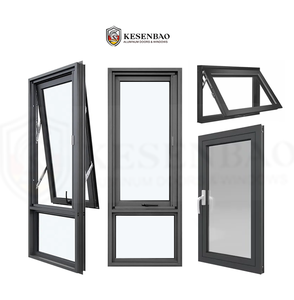
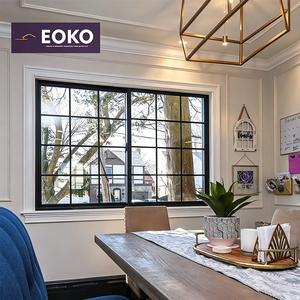
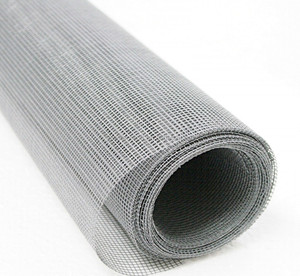
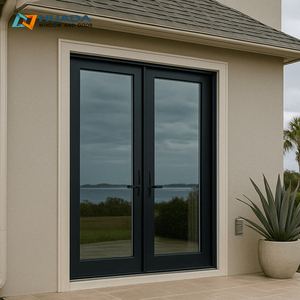
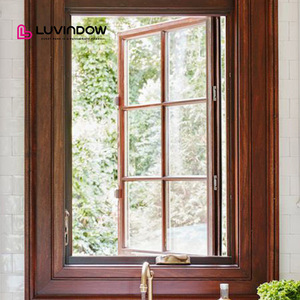
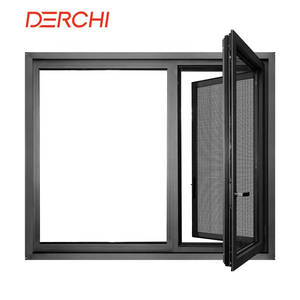
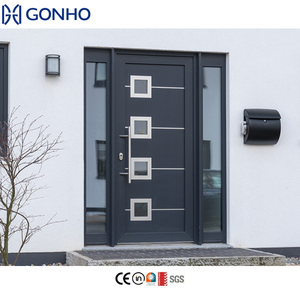
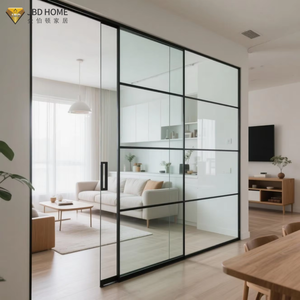
Direct manufacturing transparency from Foshan, China—combining rigorous thermal performance testing with bespoke architectural tailoring.
Extruded high-density 6063-T5 aluminum exterior cladding shields solid timber cores against harsh UV, salt spray, and extreme humidity, eliminating exterior rot while preserving interior timber warmth.
Engineered multi-cavity polyamide (PA66) thermal breaks paired with Argon-filled Low-E insulating glass deliver exceptionally low U-values compliant with modern Passivhaus and stringent energy codes.
Our 5-layer export protective framework includes individually wrapped protective films, edge foam guards, and fumigation-free solid timber crates engineered specifically for long-haul sea freight safety.
In modern architectural engineering, the envelope system dictates not only a building's aesthetic signature but also its operational energy consumption, structural resilience, and occupant comfort. Among premium fenestration solutions, Aluminium Clad Timber Windows represent the ultimate convergence of natural material insulation and industrial metallic durability. By marrying the structural warmth and low thermal conductivity of interior timber with the weather-impermeable armor of exterior aluminum cladding, this hybrid system resolves the historical trade-offs between beauty, maintenance, and thermal efficiency.
Key Procurement Insight: Sourcing aluminum-clad wood fenestration directly from established Foshan manufacturers offers up to 45% cost efficiency over domestic European and North American suppliers without sacrificing CE or AS2047 performance compliance.
The engineering success of an aluminum-clad timber window relies entirely on the mechanical decoupling of its two primary raw materials. Wood and aluminum expand and contract at vastly different thermal coefficients. Premium suppliers utilize floating clip connections—typically composed of nylon 66 or high-strength EPDM—to secure the exterior aluminum profile to the interior solid wood frame.
This floating connection mechanism provides three major advantages:
As international construction standards shift rapidly toward net-zero embodied carbon and operational energy efficiency, B2B window procurement strategies are evolving. Global architects and developers are adopting several pivotal purchasing criteria:
A. Demand for Low U-Values and Passivhaus Certification
Standard double-glazing is increasingly being superseded by triple-pane Low-E glass units injected with 90%+ Argon gas. Coupled with multi-barrier EPDM weather-stripping and thermal-break timber framing, these assemblies regularly achieve overall U-factors below 0.8 to 1.1 W/m²K, meeting rigid European and North American energy codes.
B. Customization Depth and Mixed-Finish Systems (Two-Tone Powder Coating)
Modern architectural schemes demand exterior metal finishes that harmonize with facade cladding (such as anodic bronze, ultra-matte charcoal black, or custom RAL powder coatings) while maintaining interior timber finishes tailored to distinct room palettes. Leading exporters now supply fully customized two-tone systems directly off automated lines.
C. Comprehensive Multi-Point Hardware Integration
High-end B2B buyers prioritize European hardware mechanisms (such as Siegenia, Hoppe, or Winkhaus) integrated into tilt-and-turn configurations. This allows dual-function operation: tilting inward for secure draft-free ventilation, or swinging inward 90 degrees for safe interior glass cleaning in multi-story residential structures.
The global market for hybrid timber-aluminum fenestration is experiencing rapid technological evolution driven by material science and smart manufacturing:
When sourcing fenestration products from Foshan, China, verifying supplier competence is paramount for project success. A world-class supplier like Window Wurx Industry Co., Ltd. (manufacturing since 1993) operates a 20,000 square meter facility utilizing computerized double-head miter saws, automatic corner crimping machines, and computerized glass assembly lines.
Prior to shipment, standard quality assurance must verify water tightness under pressure (up to 450 Pa), structural wind load resistance (up to 3000 Pa), acoustic isolation ratings (STC ratings exceeding 40 dB), and smooth operation of all lock points.
Everything you need to know about specifications, certifications, shipping, and custom manufacturing.
Submit your window schedules or project drawings to receive direct factory pricing, engineering consultations, and customized sample kits within 24 hours.