
Direct factory supply of structural aluminum dormers, thermal break skylights, and energy-rated fenestration systems built to AS2047, CE, and NFRC standards.
An in-depth technical analysis for property developers, architectural firms, structural engineers, and facade procurement directors.
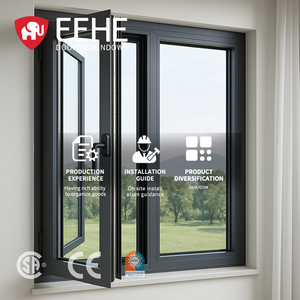
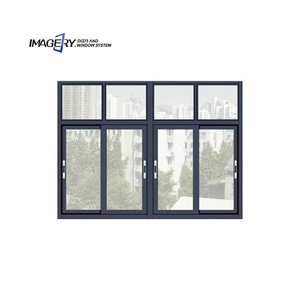
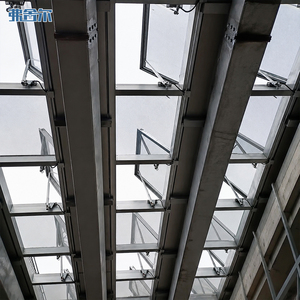
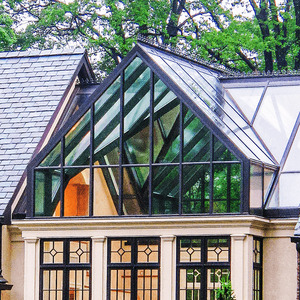
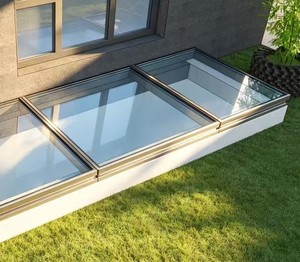
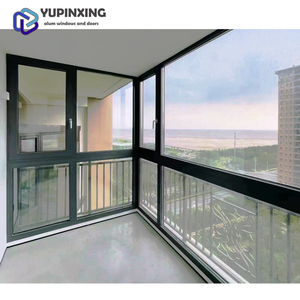
Architectural dormer windows play a pivotal role in loft conversions, attic renovations, and contemporary residential rooflines. Unlike standard vertical facade windows, dormer installations are exposed to extreme environmental dynamics: higher wind uplift pressures, direct solar radiation, torrential rain run-off, and significant seasonal thermal expansion. Sourcing aluminium dormer windows directly from tier-1 Chinese manufacturers like Window Wurx Industry Co., Ltd. (operating out of Foshan's premier extrusion cluster since 1993) provides overseas buyers with certified structural integrity, custom profile customization, and competitive factory pricing.
Roof dormers face complex turbulent wind patterns. Modern extrusions feature wall thicknesses of 1.4mm to 2.0mm in high-tensile 6063-T6 alloy, engineered to resist ultimate wind loads exceeding 4500 Pa under AS4055 and EN 12210 testing parameters.
Gravity-driven water pooling is the leading cause of dormer failure. Top manufacturers integrate continuous EPDM gasket loops, stepped drainage chambers, and concealed directional check-valves ensuring zero water penetration at 700 Pa dynamic rain pressure.
With PA66-GF25 polyamide thermal barriers and double/triple IGU glass units filled with 90% Argon gas, modern aluminum dormers achieve thermal transmittance rates (U-factor) as low as 0.12–0.28 BTU/h·ft²·°F (0.68–1.5 W/m²K).
Quantitative baseline performance specifications across commercial, residential, and skylight dormer categories.
| Performance Standard / Parameter | Standard Aluminum Dormer | Thermal Break Casement Dormer | Automated Electric Skylight Dormer |
|---|---|---|---|
| Frame Profile Thickness | 1.4mm - 1.6mm (6063-T5) | 2.0mm - 2.2mm (6063-T6) | 2.5mm Heavy Duty Structural Aluminum |
| Thermal Transmittance (U-Value) | 2.4 - 3.0 W/m²K | 1.1 - 1.5 W/m²K (NFRC Certified) | 0.8 - 1.2 W/m²K (Passive House standard) |
| Acoustic Rating (Soundproof STC) | 28 - 32 dB | 38 - 45 dB (Triple Sealed) | 40 - 48 dB (Laminated Acoustic IGU) |
| Air Infiltration Control (ASTM E283) | Level 3 Standard | Class A1 Certified (<0.1 m³/m·h) | Hermetic Pressure Seal (<0.05 m³/m·h) |
| Maximum Structural Wind Load | 2500 Pa | 4500 Pa (AS2047 Compliant) | 6000 Pa (Extreme Climate Rated) |
| Operation Dynamics | Manual Sliding / Swing | Multi-Point Lock Tilt & Turn / Casement | Smart Motorized / Rain-Sensor Automation |
Market intelligence forecast for international buyers, architectural specifiers, and wholesale distributors.
Global building mandates (such as the EU Carbon Border Adjustment Mechanism - CBAM and North American LEED v5) are forcing buyers to mandate recycled or hydro-powered low-carbon aluminum billets. Top Foshan suppliers are implementing closed-loop scrap recycling, reducing embodied carbon dioxide equivalent (CO2e) per extrusion ton by over 65%.
Dormer windows are frequently positioned in hard-to-reach high ceilings or attic lofts. Standard manual stays are rapidly being displaced by 24V DC hidden chain actuators integrated into Tuya, Zigbee, or KNX smart home networks. Automatic rain sensors close open dormers within 1.5 seconds of moisture detection.
Procurement strategies are shifting toward dynamic tinting SPD/Electrochromic glass for attic rooms subject to overheating. Furthermore, Building-Integrated Photovoltaics (BIPV) dormer frames with micro-inverters enable the window surround itself to generate clean solar power without compromising roof geometry.
Architects are demanding maximum daylight ratios in attic conversions. Future-proof dormer series utilize structural silicone bonding (SSG) directly to thermal-break subframes, eliminating outer metal sightlines and achieving up to 92% clear vision glass areas.
Understanding the technological transformation of attic fenestration over the past three decades.
Early roof dormers suffered from high thermal conductivity, frame rot, rust, and constant leakage. They were difficult to operate and lacked basic security or insulation mechanisms.
Aluminum introduced rot-proof structural stability, but uninsulated profiles caused condensation dripping inside attic rooms during winter months. PVC provided thermal insulation but lacked structural rigidity under high roof wind pressures.
The contemporary industry standard engineered by Window Wurx: 6063-T6 aluminum combined with 24mm–34mm PA66-GF25 polyamide thermal barriers, triple Low-E warm-edge IGUs, multi-point lock hardware, and automated smart controls.
Foshan's Premier Custom Aluminum Windows & Doors Manufacturer Since 1993.
Established in 1993 in Nanhai District, Foshan, Window Wurx operates a modern 20,000 m² production base equipped with 3 fully automated extrusion and fabrication lines. With over 150 skilled craftsmen, we deliver annual growth exceeding 30% year-on-year across global export markets.
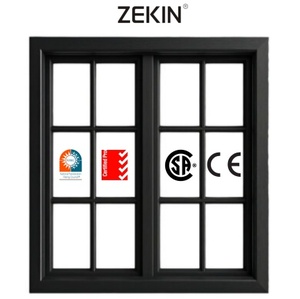
Every window system engineered by our in-house R&D department undergoes rigorous physical testing. Our product lines hold full CE marking for Europe, AS2047 accreditation for Australia/New Zealand, and NFRC thermal certification for North American construction codes.
To eliminate ocean freight transit damage, all dormer windows are wrapped in multi-layer protective film, foam edge guards, shrink wrap, and packed inside fumigation-free solid wooden crates reinforced with internal shock-absorbing braces.
Direct answers to technical, logistical, and commercial inquiries faced during aluminum dormer window procurement.
Connect directly with our senior engineering team in Foshan. Send us your architectural drawings, window schedules, or project specifications for immediate technical review and factory-direct pricing.
Send an Inquiry