
Factory-direct custom aluminium glazing solutions, certified for structural durability, thermal insulation, and coastal weatherability across Turkey.
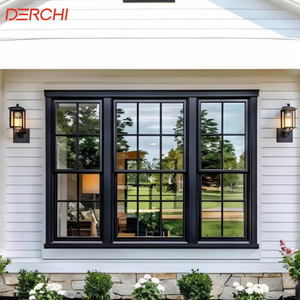
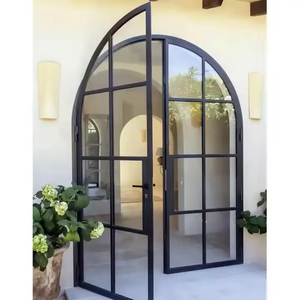
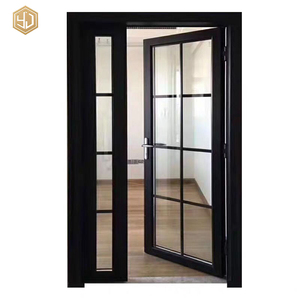
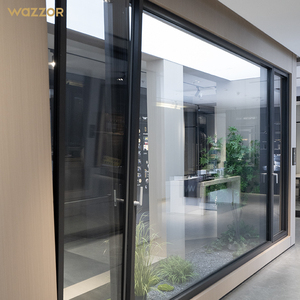
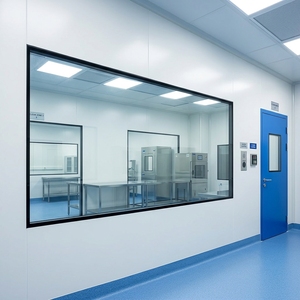
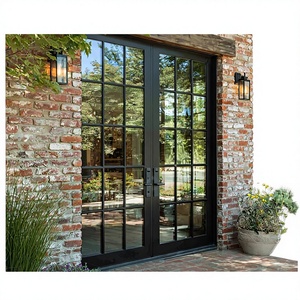
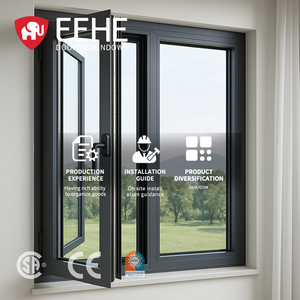
As the construction landscape across Turkey—ranging from luxury waterfront developments along the Riviera in Antalya and Bodrum to dense urban high-rises in Istanbul and Izmir—demands higher energy ratings and elevated aesthetic standards, standard window extrusions no longer suffice. Custom OEM (Original Equipment Manufacturer) aluminium kitchen window systems engineered by Window Wurx Industry Co., Ltd. represent a convergence of structural durability, microclimate thermal performance, and tailored functionality.
Kitchen environments present a unique thermal and mechanical dynamic. High moisture vapor, airborne grease, rapid temperature fluctuations from culinary appliances, and the essential demand for localized ventilation require window systems engineered specifically for this operational profile. Unlike generic residential fenestration, OEM aluminium kitchen windows serving the Turkish market must bridge strict energy codes (TS EN 14351-1 compliance) with robust anti-corrosion surface treatments capable of withstanding the saline coastal air of the Aegean and Mediterranean seas.
Turkey's geographical positioning spans seven distinct climatic zones. A kitchen window installed in an urban apartment in Ankara experiences severe winter freezing, requiring multi-chambered polyamide thermal breaks (PA66-GF25), whereas a seaside villa installation in Mugla demands extreme resistance to solar gain (solar factor g-value optimization) and salt-spray oxidation.
For kitchen openings in Aegean & Mediterranean coastal villas (Bodrum, Izmir, Antalya), our aluminium profiles undergo pre-anodization and Qualicoat Class 2 architectural powder coating. This prevents filiform corrosion caused by salt-laden humid sea breezes and high ambient grease.
Densely populated urban centers like Megacity Istanbul require acoustic insulation against traffic noise. Double and triple-glazed soundproof units (STC 40–45 dB) utilize asymmetric glass thicknesses combined with argon gas fills, creating serene kitchen cooking spaces.
In cold continental zones (Ankara, Konya, Erzurum), non-thermal profiles lead to interior condensation on kitchen window sills. Our 24mm to 34mm PA66 thermal barriers reduce overall window U-values to below 1.1 W/m²K, satisfying Turkish TS 825 insulation codes.
Kitchens in modern Turkish architecture are no longer isolated service rooms; they serve as central social hubs, outdoor entertainment connectors, or high-efficiency commercial spaces. Custom OEM manufacturing enables tailored profiles for specific project typologies:
In upscale residential construction, kitchen windows often double as outdoor serving bars or seamless pass-through ports connecting indoor prep kitchens to outdoor BBQ areas. Our OEM Gas-Strut Folding Awning Windows and Slim-Sightline Horizontal Sliding Kitchen Windows allow 100% unobstructed openings. Integrated flush sills and hidden drainage channels prevent rain ingress during sudden Mediterranean torrential storms.
Under Turkey's urban transformation initiative (Kentsel Dönüşüm), old residential blocks are systematically replaced with modern high-rises. High wind pressures (EN 12210 Class C5) at elevated floors require engineered structural mullions. Our tilt-and-turn (Vasistas) aluminium kitchen windows provide safe, micro-ventilated gap openings for daily grease and steam extraction without risking draft turbulence or window slam in high winds.
Resorts and boutique hotels operating along the Turkish Riviera require heavy-duty fenestration capable of intensive daily operation. We supply heavy-wall aluminum alloy (6063-T6) systems with continuous EPDM synthetic rubber gaskets and German multi-point locking hardware (Roto/Siegenia) ensuring tight sealing against odor leakage into surrounding guest spaces.
Below is a comparative breakdown showing why Turkish developers, architects, and importers are transitioning from traditional PVC or standard non-thermal aluminum to custom OEM thermal-break kitchen window systems:
| Performance Standard | Standard PVC Kitchen Windows | Generic Non-Thermal Aluminium | Window Wurx Custom OEM Thermal-Break System |
|---|---|---|---|
| Thermal Insulation (Uf-Value) | 1.8 - 2.4 W/m²K | 3.8 - 5.2 W/m²K (Poor) | 0.9 - 1.3 W/m²K (Superior TS 825 Compliant) |
| Structural Integrity & Wind Load | Deforms under high thermal stress/sun | High strength, zero thermal barrier | High-Tensile 6063-T6 Aluminium Alloy (C5 Rated) |
| Frame Profile Width (Sightlines) | Bulky (80mm - 120mm profile depth) | Moderate (50mm - 60mm) | Ultra-Slim Modern Profile (35mm - 50mm) |
| Surface Finish Longevity | Fades/Yellows in UV after 3-5 Years | Standard Anodizing (Prone to chalking) | AkzoNobel / PPG Powder Coat (20+ Year Warranty) |
| Kitchen Moisture & Grease Resistance | Absorbs grease stains in seal joints | Prone to internal condensation | Concealed Multi-Channel Drainage & Anti-Grease EPDM |
| Customization (OEM/ODM Flexibility) | Limited stock sizes & colors | Basic RAL colors only | Bespoke extrusions, two-tone finish, custom sizes |
The Turkish building supply chain is rapidly evolving driven by European Union harmonization and modern aesthetic preferences. Key market trends include:
Contemporary Turkish interior design emphasizes maximum natural daylight. Matte black (RAL 9005), Anthracite Grey (RAL 7016), and subtle metallic bronze powder-coated frames with ultra-narrow sightlines dominate kitchen remodel specifications in urban centers.
Under Turkish Building Regulations (Deprem Yönetmeliği seismic codes and TS 825 thermal protection codes), window assemblies must maintain structural adhesion during seismic vibration while offering airtight seals (EN 12207 Class 4).
Kitchen windows are increasingly integrated with electric chain actuators linked to smart home systems, allowing automatic ventilation triggered by gas/smoke sensors. Integrated retractable stainless steel insect meshes keep kitchen spaces hygienic.
Established in 1993 in Foshan, China—the global epicenter of aluminium extrusion and fenestration manufacturing—Window Wurx Industry Co., Ltd. brings over three decades of verified manufacturing authority to Turkish importers, developers, and project contractors.
Sourcing directly from our 20,000 square meter automated manufacturing facility eliminates redundant intermediary markups while offering total engineering control over product specifications. Here is how our enterprise infrastructure guarantees project success:
For standard thermal-break profiles and stock RAL powder colors, fabrication takes approximately 20 to 25 business days following formal shop drawing approval. Custom extrusion die creation (if required for proprietary OEM profile designs) adds 10 to 14 days. Ocean transit from Foshan/Shenzhen to Turkish ports (Ambarli or Mersin) typically ranges between 22 and 28 days.
We utilize architectural-grade 6063-T6 aluminum alloys treated with chromate-free pre-passivation and finished with Qualicoat-certified architectural powder coatings (such as AkzoNobel or Interpon). This guarantees salt-spray corrosion resistance exceeding 2,000 hours of continuous testing, preventing flaking, blistering, or corrosion even in immediate waterfront exposures.
Yes! Because our thermal-break profiles are joined using high-precision mechanical crimping of PA66 nylon strips, we can finish the exterior frame in one color (e.g., dark Anthracite Grey to match the building facade) while finishing the interior kitchen profile in another color (e.g., pure white or anodized silver to complement kitchen interior cabinetry).
Absolutely. Our aluminum profile grooves are designed according to standard European Hardware Grooves (Euro-Groove Standard C-15/20). We regularly integrate premium German multi-point hardware systems (Roto Frank, Siegenia-Aubi) or high-grade domestic hardware based on your project budget and performance specifications.
Before production begins, our engineering team provides comprehensive 2D/3D shop drawings detailing frame section depths, expansion joint tolerances, wall anchor points, and glass thickness. Fabrication only starts once your technical project director approves these shop drawings.
For high-rise residential towers, we recommend double or triple-glazed tempered safety glass units (e.g., 6mm Low-E + 12Ar + 6mm Clear) or laminated safety glass. Low-E coatings reduce interior heat build-up while argon gas filling optimizes overall U-value performance against severe urban temperature swings.
Whether you are specifying fenestration for a seaside villa development in Bodrum, an urban tower in Istanbul, or seeking a reliable B2B supply partner in Turkey, our engineering team is standing by to deliver tailored CAD quotes and technical proposals.