
Explore our engineered aluminum profile window and door systems designed specifically to withstand harsh tropical weather, elevated solar exposure, and heavy monsoon loads.
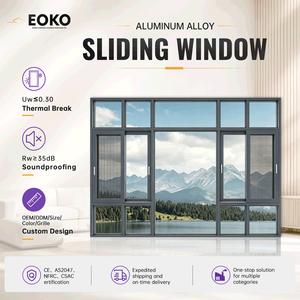
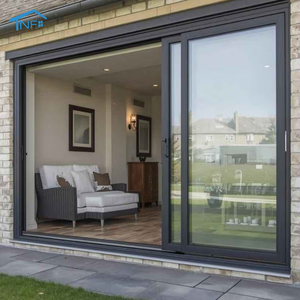
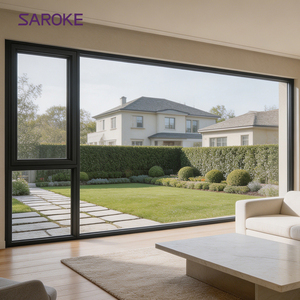
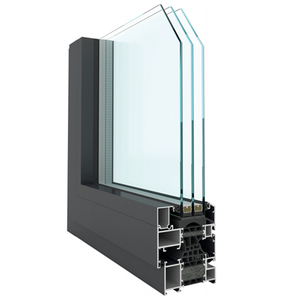
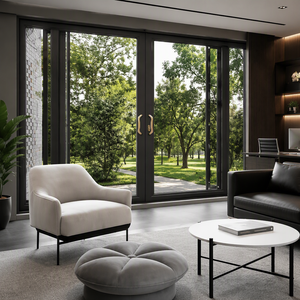
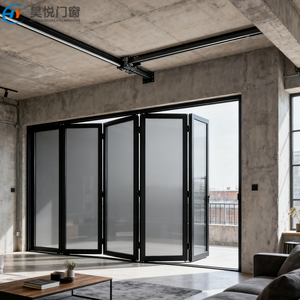
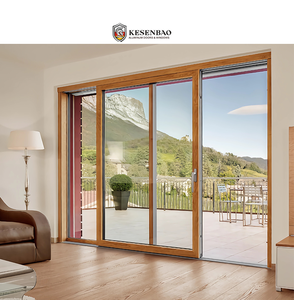
Thailand’s architectural landscape is undergoing a dramatic shift toward tropical modernism, luxury residential villas, and eco-certified commercial buildings. Driven by the rapid expansion of high-end real estate in Greater Bangkok, Phuket, Pattaya, and Chiang Mai, developers are increasingly incorporating attic conversions, cathedral ceilings, and roof fenestration into their structural designs. However, integrating pitched roof windows in a tropical monsoon climate presents severe engineering challenges—specifically regarding high Solar Heat Gain Coefficient (SHGC), structural resistance against sudden wind gusts, and total water tightness during heavy downpours.
As a leading Foshan-based original equipment manufacturer (OEM) with over 30 years of export experience, Window Wurx Industry Co., Ltd. delivers custom thermal break aluminium pitched roof windows engineered to outperform standard fenestration products. This whitepaper provides property developers, general contractors, facade consultants, and architectural dealers in Thailand with technical insights into sourcing, evaluating, and installing high-performance aluminum roof windows.
In urban centers like Bangkok and Nonthaburi, land prices have driven vertical space optimization. Developers are transforming traditional unventilated attic voids into high-value master suites, home offices, and skylit living rooms. Installing pitched roof windows angled between 15° and 60° maximizes daylighting while creating natural stack ventilation (thermal chimney effect) to exhaust warm air trapped near the roof line.
Thailand’s Rating of Energy and Environmental Sustainability (TREES) standard, advocated by the Thai Green Building Institute (TGBI), mandates stringent Overall Thermal Transfer Value (OTTV) limits. Premium aluminium pitched roof windows equipped with Polyamide (PA66GF25) thermal breaks and argon-filled Low-E double glazing lower building energy cooling loads by up to 35%, assisting developers in earning green building certifications.
Thailand experiences severe annual monsoon precipitation averaging 1,200mm to 4,500mm depending on the region. Standard vertical windows re-purposed for roof applications fail within months due to hydrostatic pressure. Modern pitched roof windows feature integrated seamless aluminum flashing kits, continuous EPDM triple-gasket seals, and step-drained aluminum extrusions capable of resisting water ingress under 700 Pa pressure differentials.
Different regions in Thailand present unique environmental stresses. Custom engineering profile thickness, glass build-ups, and hardware finishes ensures optimal life-cycle performance.
Environmental Challenge: High airborne salt spray, humidity, intense solar radiation, and wind loads exceeding 1.8 kPa during stormy seasons.
Recommended Spec: Marine-grade PVDF (Kynar 500) fluoropolymer-coated aluminum frames (minimum 25-micron thickness) to prevent chalking and pitting corrosion. Combined with double-laminated Low-E glass (6mm Toughened + 1.52PVB + 6mm Low-E) for solar control and hurricane-impact protection against flying debris.
Environmental Challenge: Urban heat island effect, heavy ambient traffic noise (street level and elevated expressways), elevated smog/dust particles.
Recommended Spec: Acoustic laminated thermal break pitched roof windows with asymmetrical glass thickness (e.g., 8mm outer / 6mm inner). Provides Sound Transmission Class (STC) rating of 40+ dB while automated rain-sensor skylights automatically close at the first drop of precipitation.
Environmental Challenge: Diurnal temperature swings between cooler nights and hot humid days, seasonal agricultural smoke (PM2.5 filtration needs).
Recommended Spec: Dual-opening tilt & center-pivot roof windows with integrated insect screens and fine dust filtration mesh. Electric motor actuator linked to smart home systems allows automated evening purging of indoor hot air.
When procuring roof windows for project development, specifying the correct technical parameters is vital for avoiding water leakage, structural sagging, and excessive energy consumption.
| Performance Parameter | Standard Commercial Aluminum Window | Engineered Tropical Pitched Roof Window | Architectural Impact on Thai Projects |
|---|---|---|---|
| Frame Construction | Single chamber non-thermal break | Multi-chamber PA66GF25 Thermal Break | Eliminates internal frame sweating & condensation damaging ceiling drywall. |
| Solar Heat Gain (SHGC) | 0.65 – 0.80 (High heat admittance) | 0.21 – 0.32 (Spectrally Selective Low-E) | Reduces interior HVAC power usage by up to 35% under direct tropical sun. |
| Water Tightness Test | 150 Pa – 300 Pa Rating | 600 Pa – 900 Pa (Class 9A / AS2047) | Guarantees zero water penetration during extreme monsoon downpours. |
| Drainage Architecture | Simple face weeping holes | Stepped hidden cascade flashing system | Prevents dust build-up and leaf blockages common in heavy tree-canopy areas. |
| Operability & Hardware | Basic manual friction hinges | Heavy-duty stainless 304 gas struts / DC motors | Smooth opening for roof pitches from 15° to 75° with heavy double-laminated glass. |
Founded in 1993 in Foshan City, Guangdong Province—the epicenter of China's premium aluminum manufacturing industry—Window Wurx Industry Co., Ltd. has spent over three decades perfecting fenestration systems for the global market. Our products are exported to Australia, North America, Europe, and extensively throughout Southeast Asia.
Spanning a 20,000 square meter industrial workshop staffed by over 150 skilled workers, our factory operates 3 automated production lines utilizing precision German CNC cutting and corner-crimping technology. This setup guarantees dimensional accuracy within ±0.5mm, critical for watertight roof flashing integration.
Our window and door systems are independently tested and certified under international standards including AS2047 (Australia/New Zealand), NFRC (North America), and CE (European Union). Every batch undergoes water penetration testing, structural air pressure testing, and hardware cycle testing before packing.
Long-distance sea transport to Laem Chabang or Bangkok Port demands robust protection. We wrap each frame in protective film, add corner guards, cushion with thick EPE foam, wrap in plastic film, and place units inside custom fumigation-free plywood crates to ensure zero damage upon site arrival.
Clear, definitive answers to help project managers, architects, and importers smoothly navigate procurement, logistics, and technical specifications.
Connect directly with our senior fenestration engineers. We provide free CAD shop drawing reviews, structural wind-load calculations, and factory-direct wholesale quotes for your project specifications.
Inquire Now